
John Hurrell – 12 March, 2024
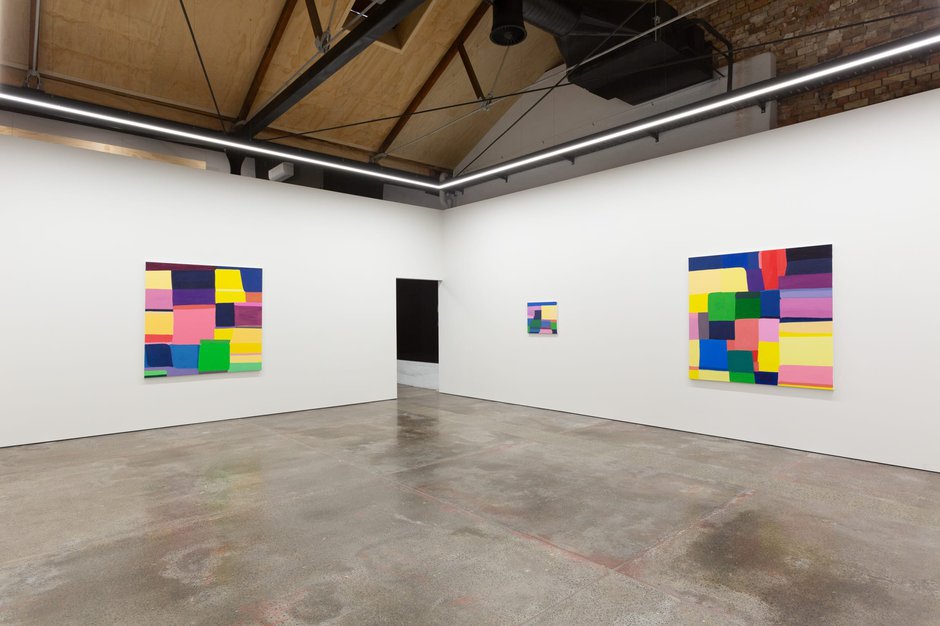
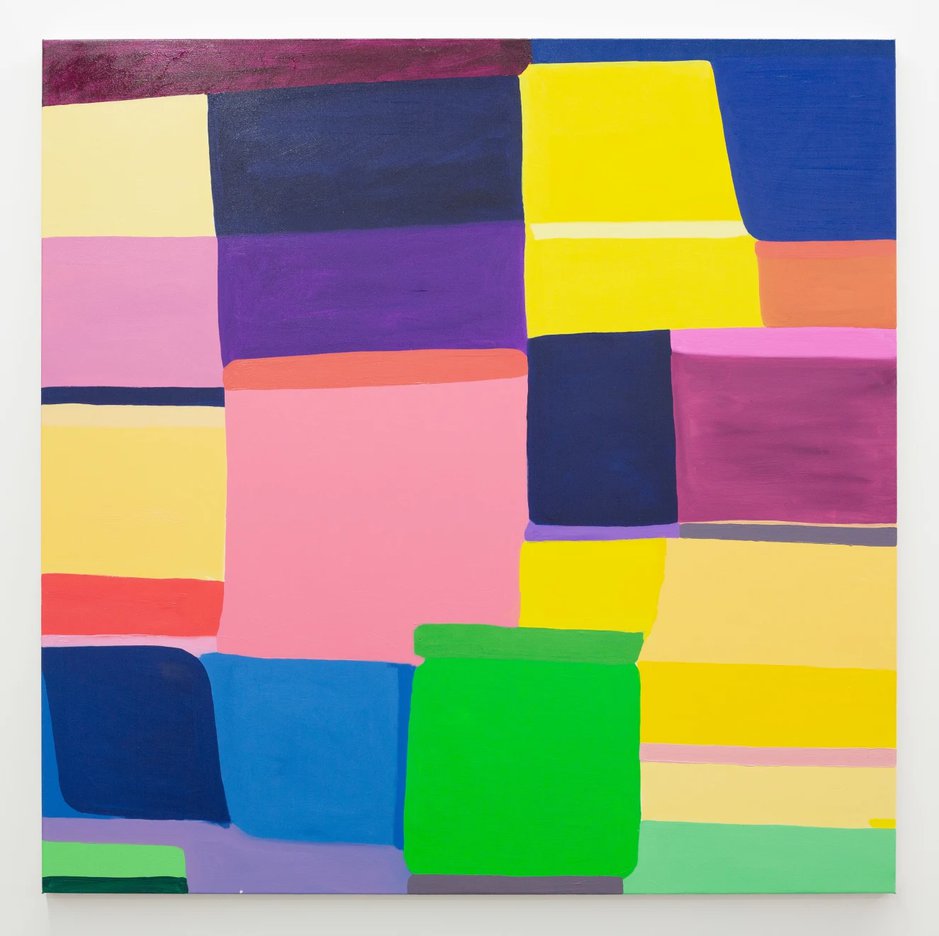
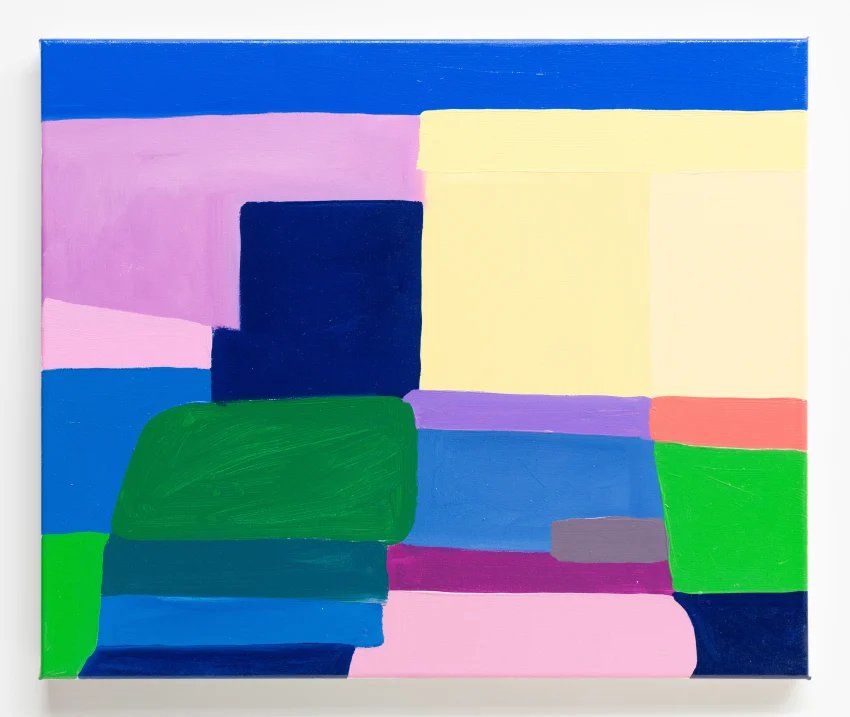
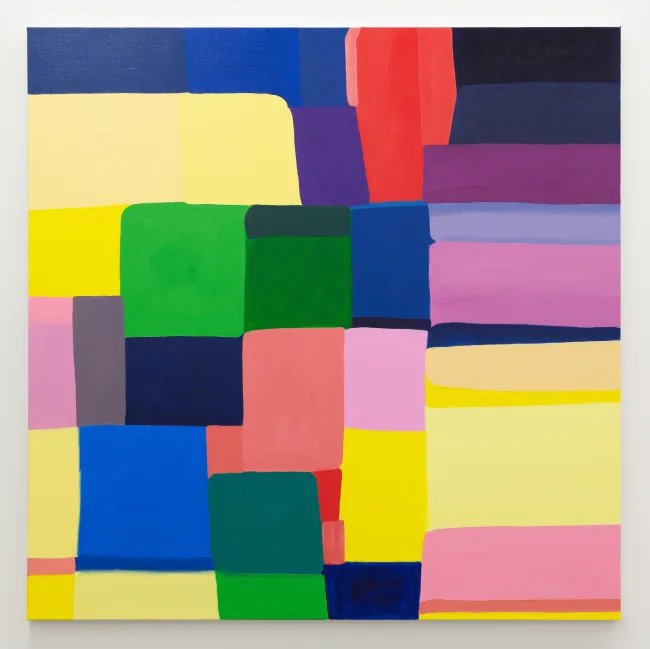
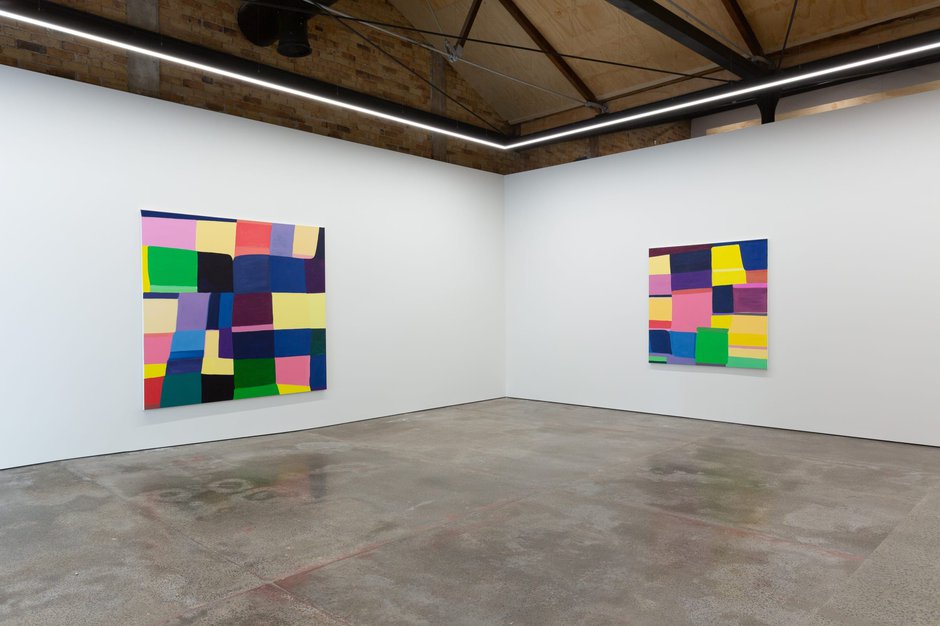
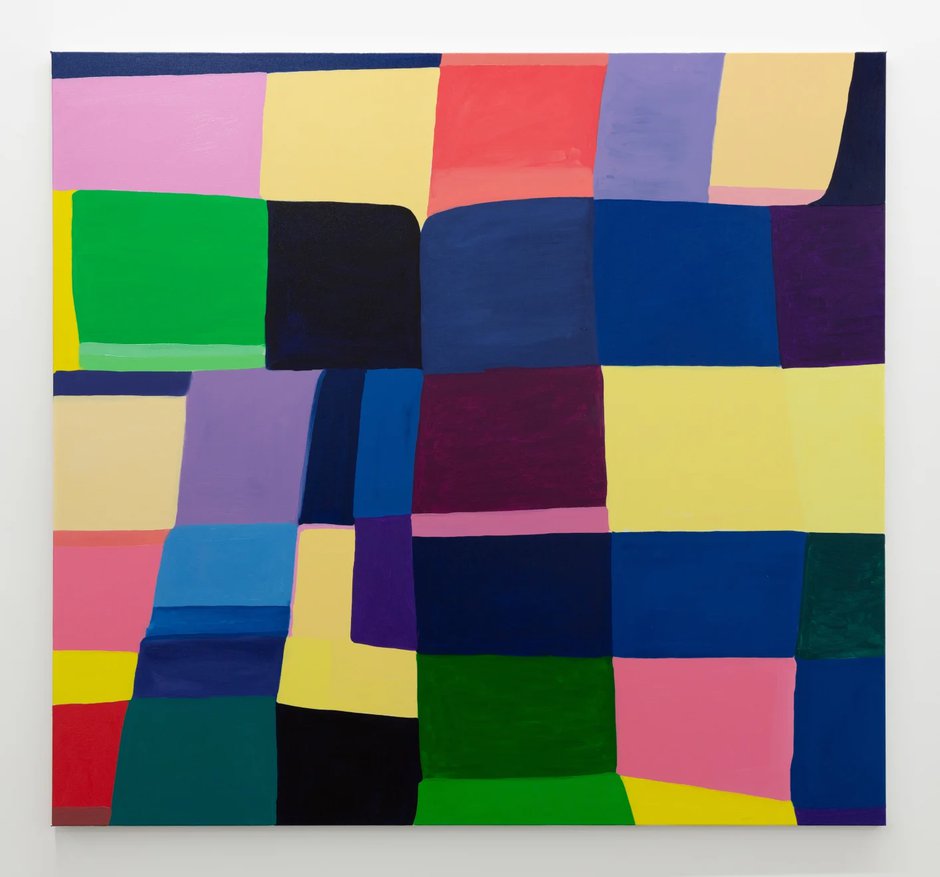
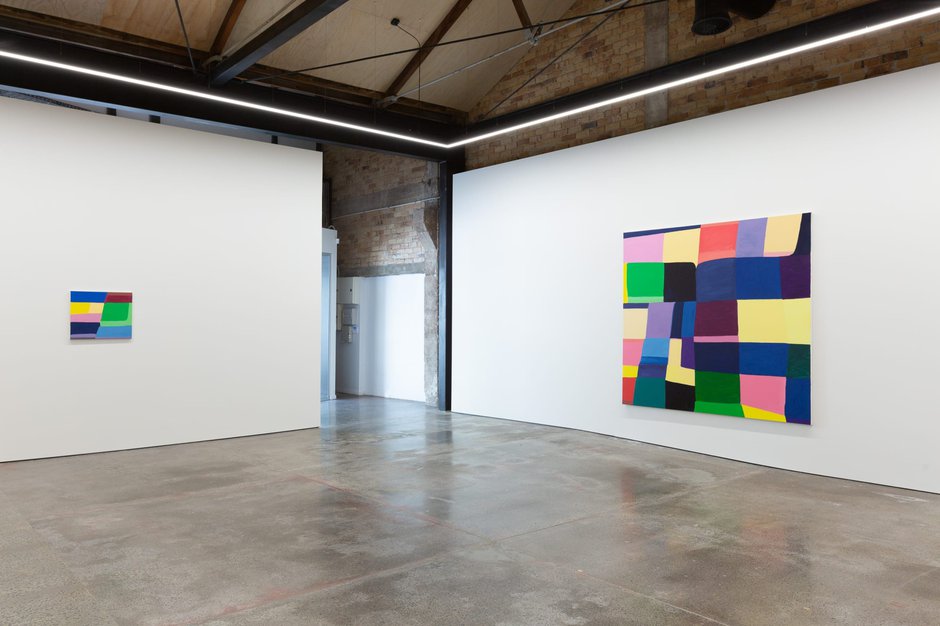
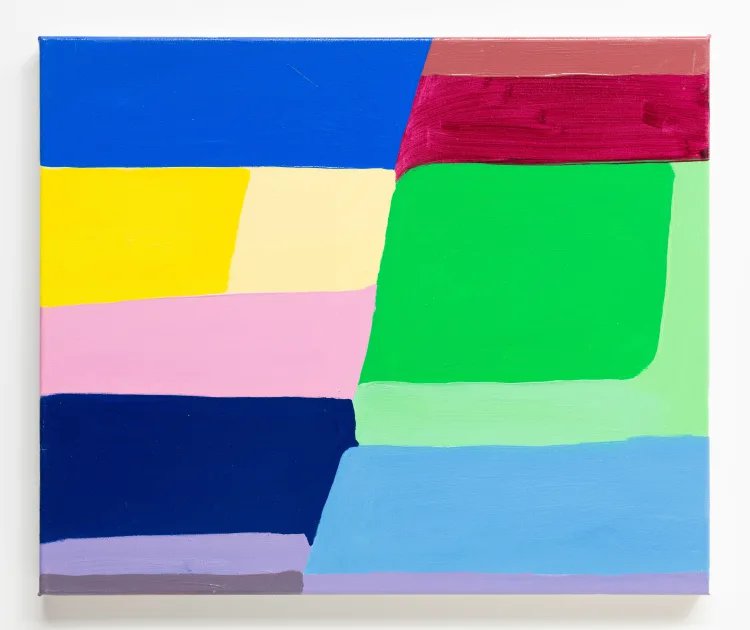
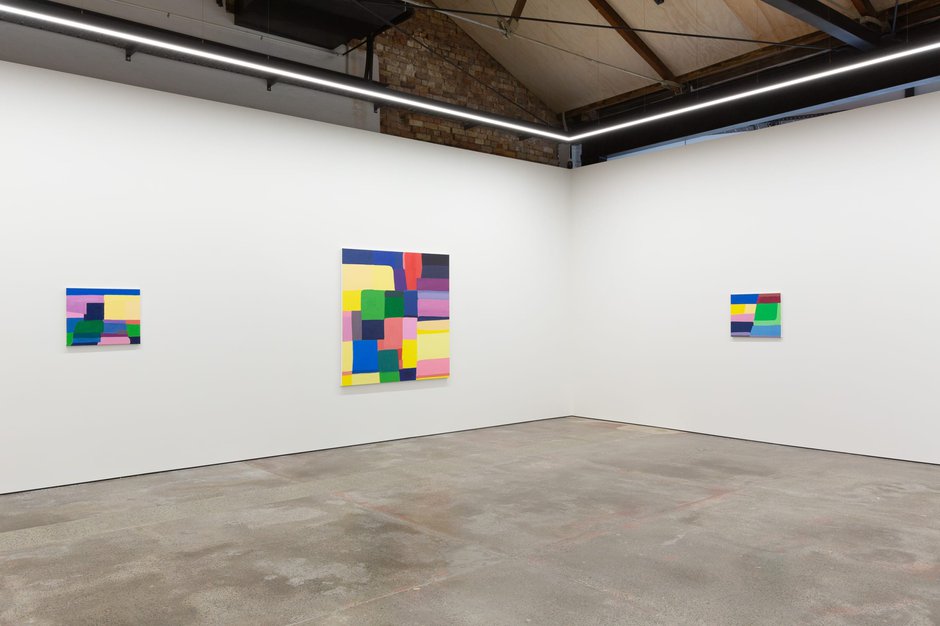
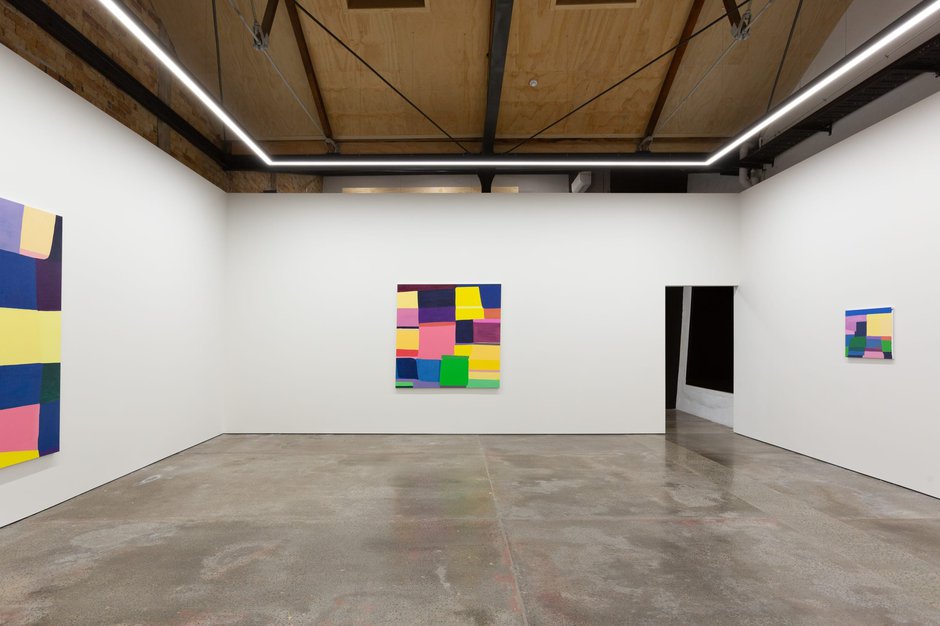
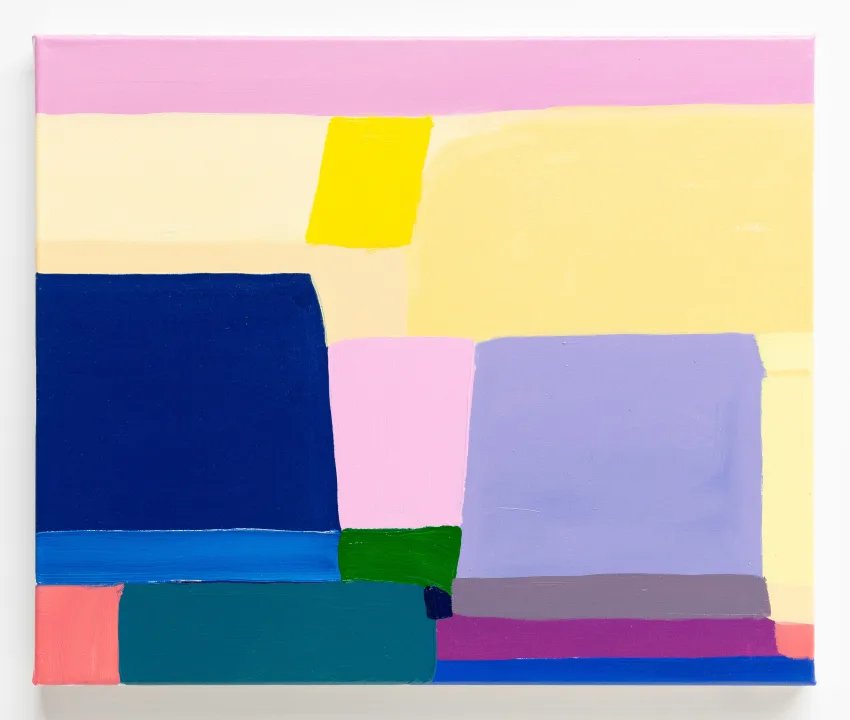
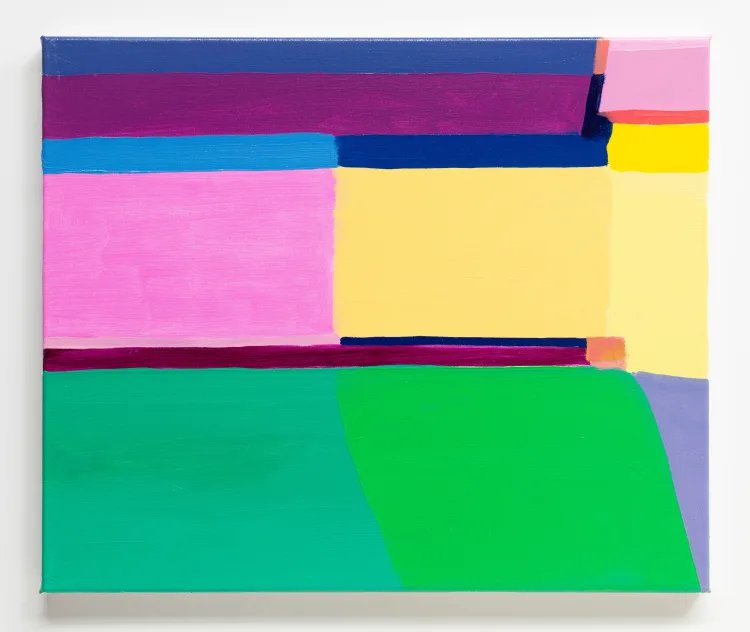
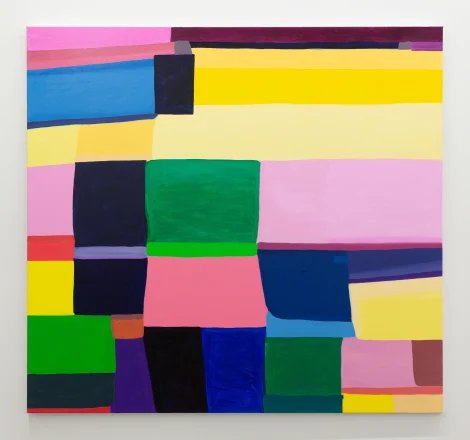
Made of thin brushed paint, Morley's chromatically forthright canvases are vaguely akin to Stanley Whitney and the less formal and abstract Philip Guston, avoiding tight precision, espousing not rigid repetition of perfect squares but instead celebrating soft round corners, wobbly edges, stacks of thin layers and odd squirty-pointed extrusions. Bold muscular colour is combined with confidently stacked forms deliciously piled up, initially like stone walls with scoria blocks tightly squeezed together but surprisingly also incorporating long strips that bring a strange tension, and funny little perky trapezoids.
Like Ōtepoti Dunedin artist, lecturer and musician, Michael Morley, this writer arrived in the second half of the twentieth century, and quoting his blurb, absorbed: “Enough to begin to understand the looming spectres of empires and imperialism, the banality of evil and the exquisite brutality of oppression masquerading as culture.”
Like Michael Morley, I can see that “News channels are the new library of contemporary thought: allowing access to the images that once were conjured from dark minds and the depraved.”
Despite all this, Morley’s canvases of stacked, varied and butted blocks of intense glowing colour are conspicuously cheerful. They effortlessly lift your spirits, hovering on picture-planes while varying in tone and strong solid hues. Because of their looseness in the way they fit together—being profoundly exuberant through a subtle jostling movement—they are optically assertive, and gleefully push joy into your solar plexus. They are emotional. But not pessimistic.
Made of thin brushed paint, Morley’s chromatically forthright canvases are vaguely akin to Stanley Whitney and the less formal and abstract Philip Guston, avoiding tight precision, espousing not rigid repetition of perfect squares but instead celebrating soft round corners, wobbly edges, stacks of thin layers and odd squirty-pointed extrusions.
Bold muscular colour is combined with confidently stacked forms deliciously piled up, initially like stone walls with scoria blocks tightly squeezed together but surprisingly also incorporating long strips that bring a strange tension, and funny little perky trapezoids. They are not ‘thrown on top’ but carefully positioned—thus creating considerable visual pleasure. Rhythms emerge from contrasting and pulsing tones.
There is also a sense of easy liquidity, of brushed-on runny hues seemingly guaranteed to empathically generate fluid bodily pleasure, avoiding overloaded morphic complication and surplus structuring. There is also perhaps a hint of early Gretchen Albrecht but with no sense of wispy ethereal clouds or distant landforms, only improvised chunky rock walls. The picture-plane is compellingly strong.
My view of this lovely show is to best ignore the artist’s rhetoric (perhaps so typical of university art lecturers) and enjoy his cleverly constructed optimistic paintings—more viewable perhaps, as he says, ‘after the war.’
John Hurrell
 Advertising in this column
 Two Rooms presents a program of residencies and projects
This Discussion has 0 comments.
Comment
Participate
Register to Participate.
Sign in
Sign in to an existing account.