


John Hurrell – 26 September, 2016
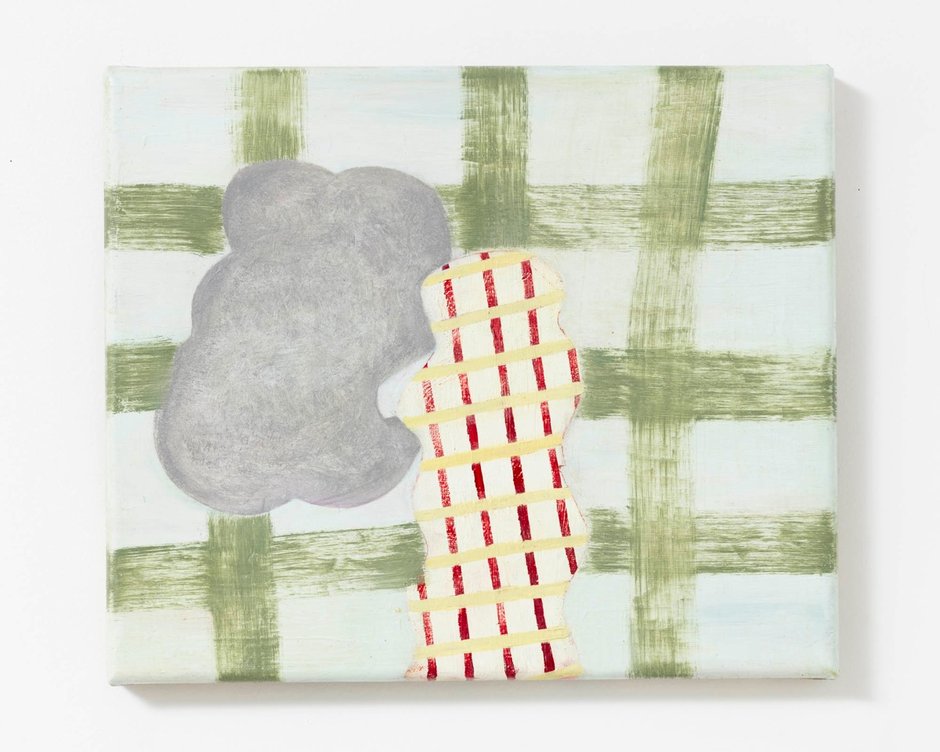
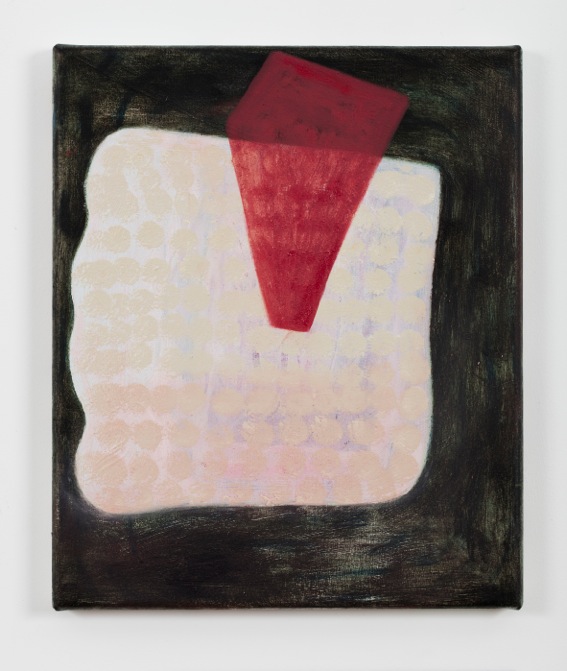
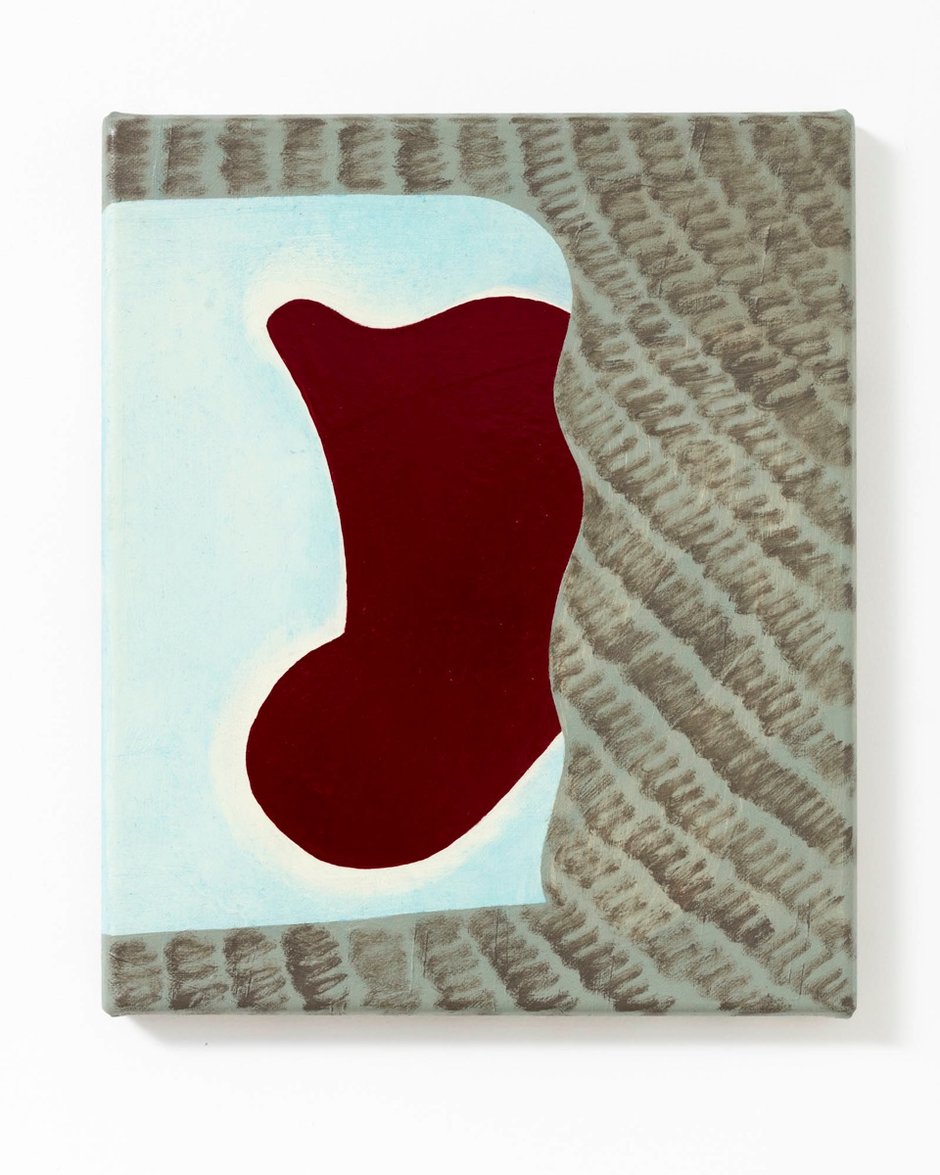
The patterned, spatially closest, rhythmic configurations are often dry brushed, making the decorative marks soft and slightly fluffy. These are placed on top of thin underpainting which - with further vague forms often peeking through from below - is positioned to enclose arabesque edged, asymmetrical shieldlike forms.
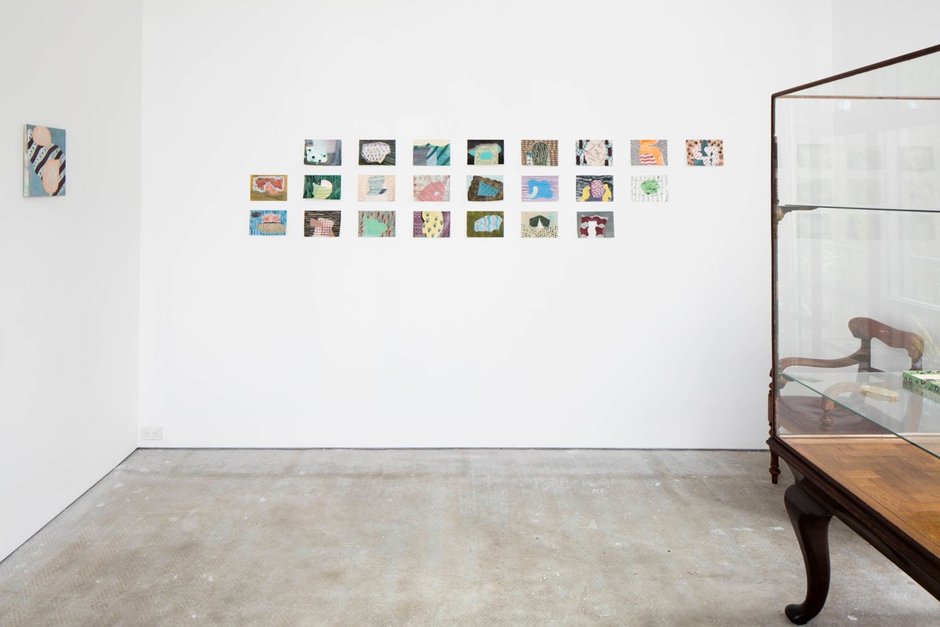
Last year, when I looked at Adrianne Vaughan‘s paintings in the AAG survey Necessary Distraction, like many of the contributors, her display there didn’t win me over. One of the reasons (in her case) was the relationship between the patterned geometrical forms and the size of the stretchers: the rhythms seemed stretched too thinly over the works’ surfaces. The works on paper on the other hand were lost in a gridded configuration on the wall when they should have been framed and presented in isolation - as Vaughan’s contribution to Simon McIntyre’s St. Paul St Three ‘painting round up’ later revealed.
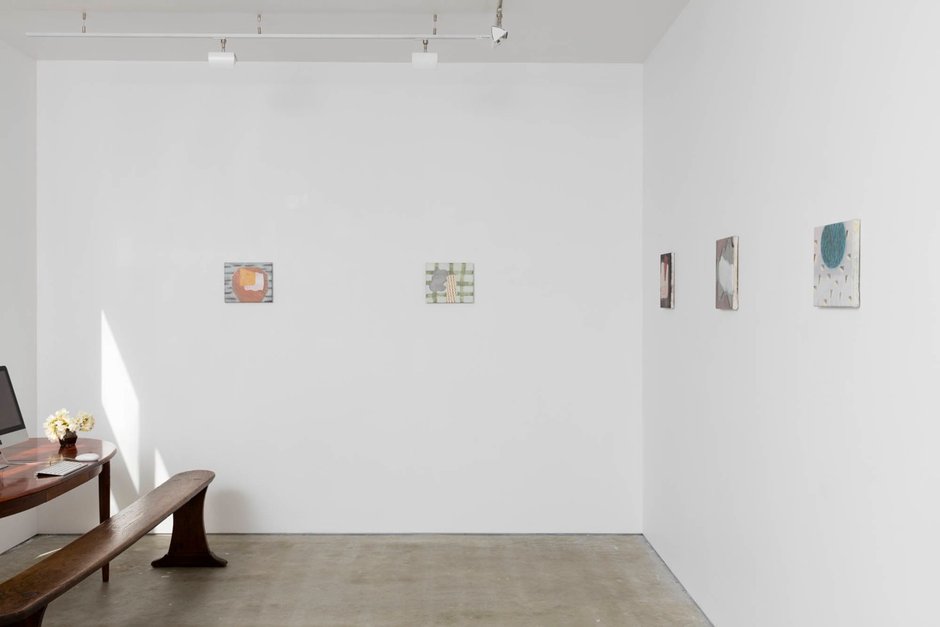
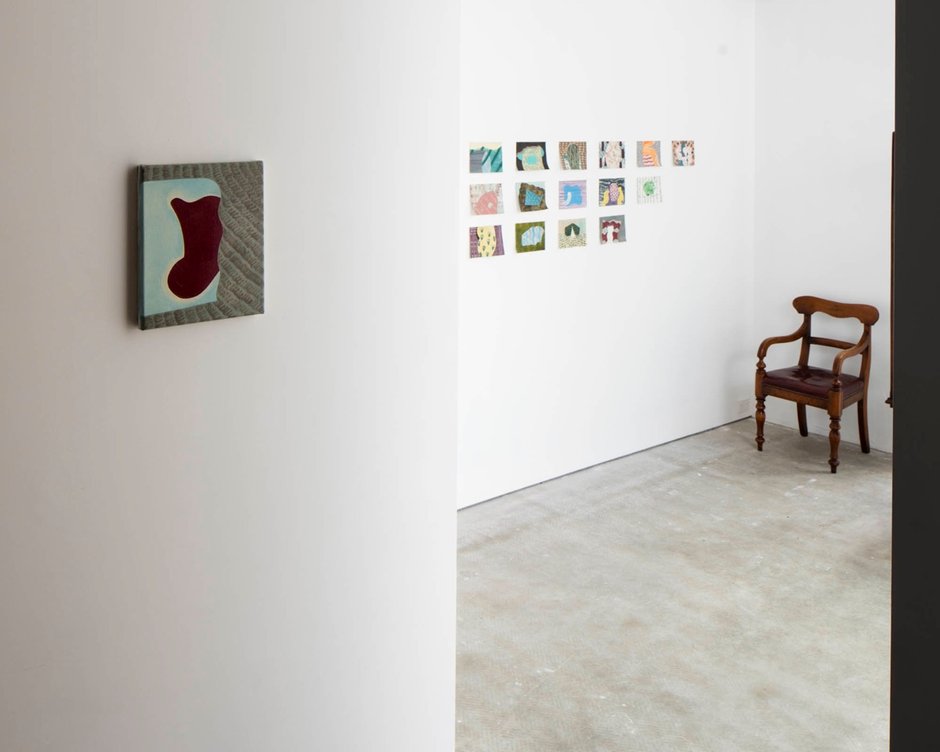
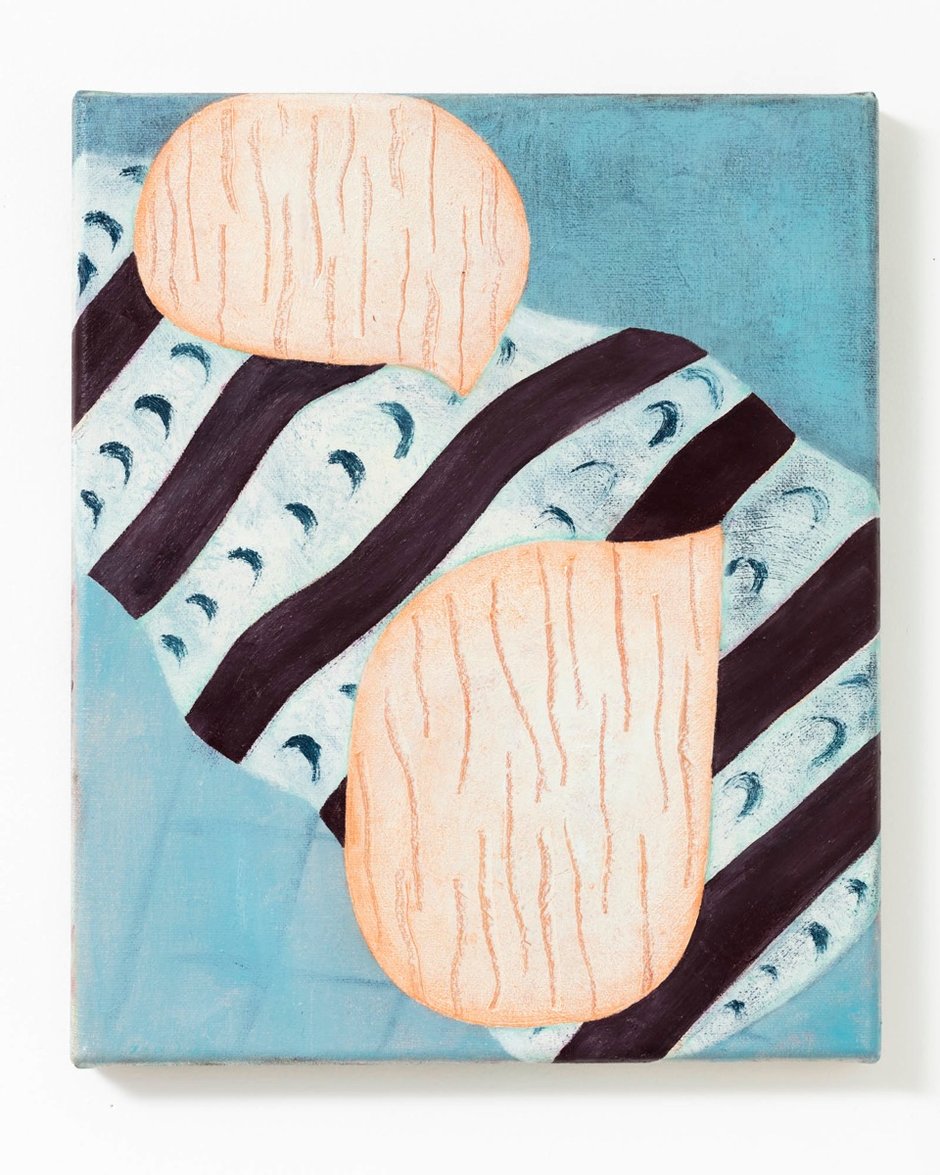
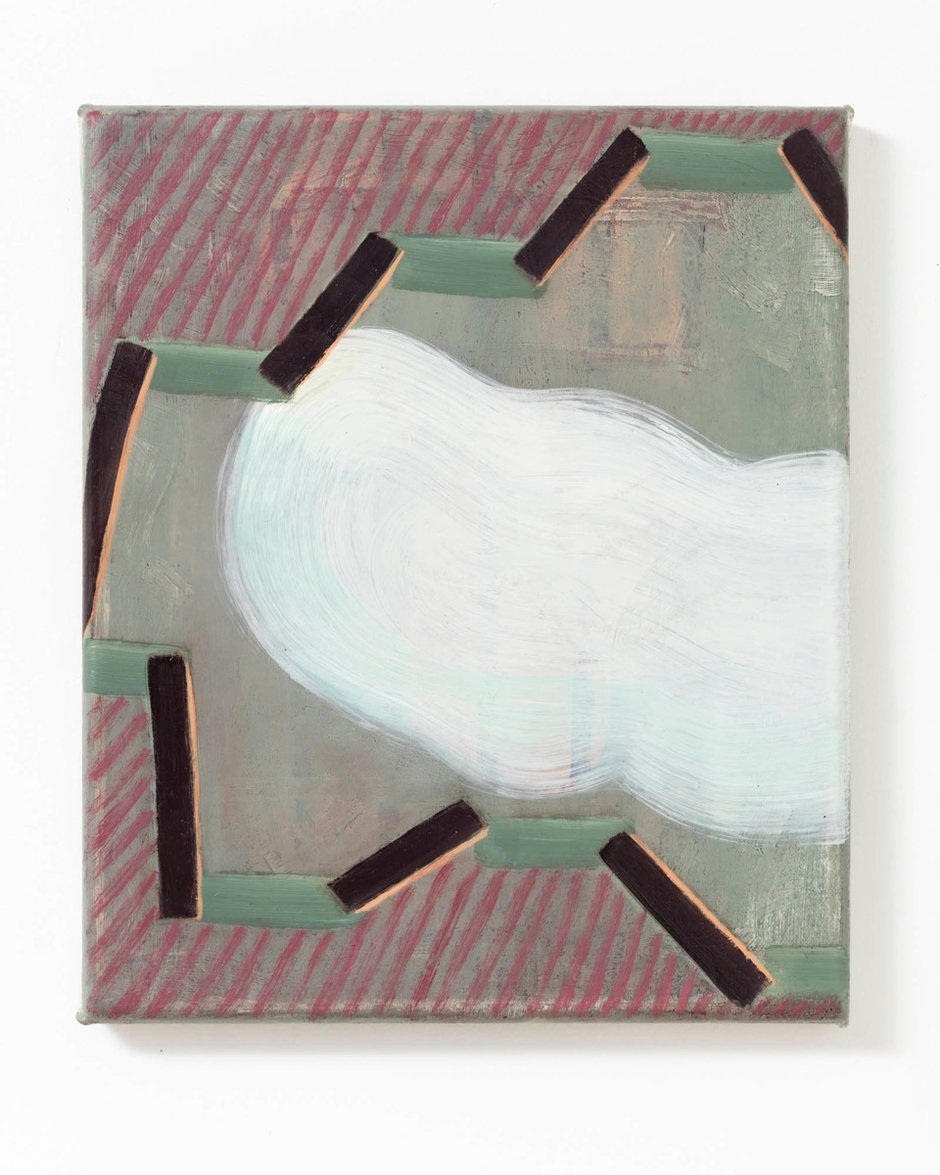
This new show at Anna Miles is a confirmation of the above, for now the problems seem sorted. The stretchers are small and have an appropriate compactness with their ‘half patterns’ which as backgrounds suggest, without moving into full swing. The earlier harshness is gone; the blurry forms now gently nudge instead of shoulder-charge. They are very intimate and inventive: not at all formulaic.
The patterned, spatially closest, rhythmic configurations are often dry brushed, making the decorative marks soft and slightly fluffy. These are placed on top of thin underpainting which - with further vague forms often peeking through from below - is positioned to enclose arabesque edged, asymmetrical shieldlike forms often containing polygons.
Vaughan in her explorations seems inspired by a wide range of painters, from Howard Hodgkin to Milton Avery, delighting in the materiality of thin paint, and speculating on further possibilities in its handling, and making works that are unusually intimate and sensitive. These surprisingly complex works get carried along by the organic membranous of the forms, the vague porosity of their edges: an all-pervading smudgy diaphanousness mixed with ornamentation.
John Hurrell
 Two Rooms presents a program of residencies and projects
 Advertising in this column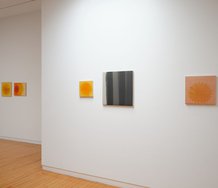
This Discussion has 0 comments.
Comment
Participate
Register to Participate.
Sign in
Sign in to an existing account.