
Norman Franke – 29 January, 2026
In a previous review of Sybille's prints, I pointed to echoes of artistic discourses from the German-speaking world, particularly to 20th century philosopher Ernst Bloch. In the context of Sybille's recent show, I see traces of a related, older tradition that sought to overcome the separation of nature and art, but also of nature and society: early German Romanticism.
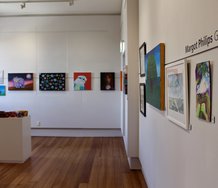
WSA / Margot Philips Gallery
Flight Pattern
Sybille Schlumbom
21 January - 16 February, 2026
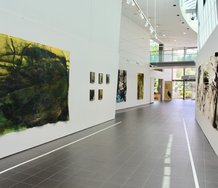
A new exhibition of exciting and innovative printmaking by Hamilton artist Sybille Schlumbom is currently on display at the Margot Philips Gallery of the Waikato Society of Arts in Hamilton.
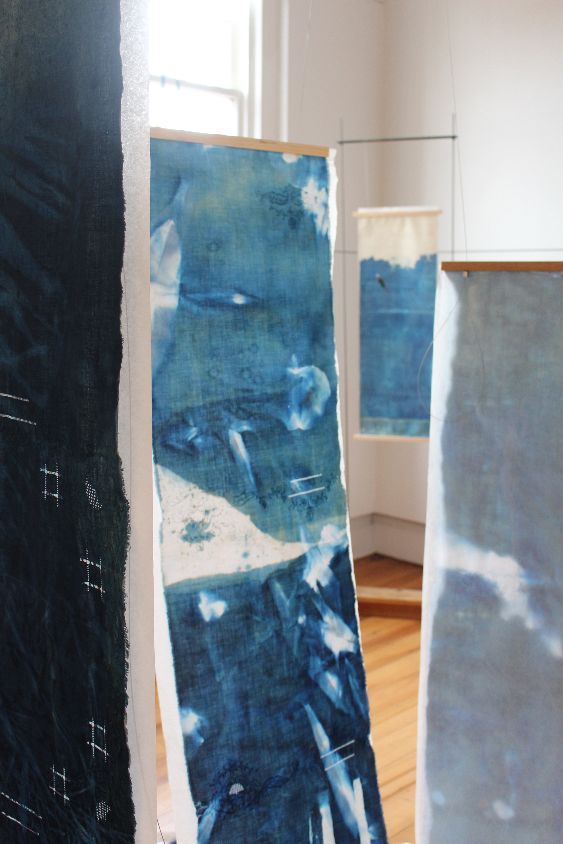
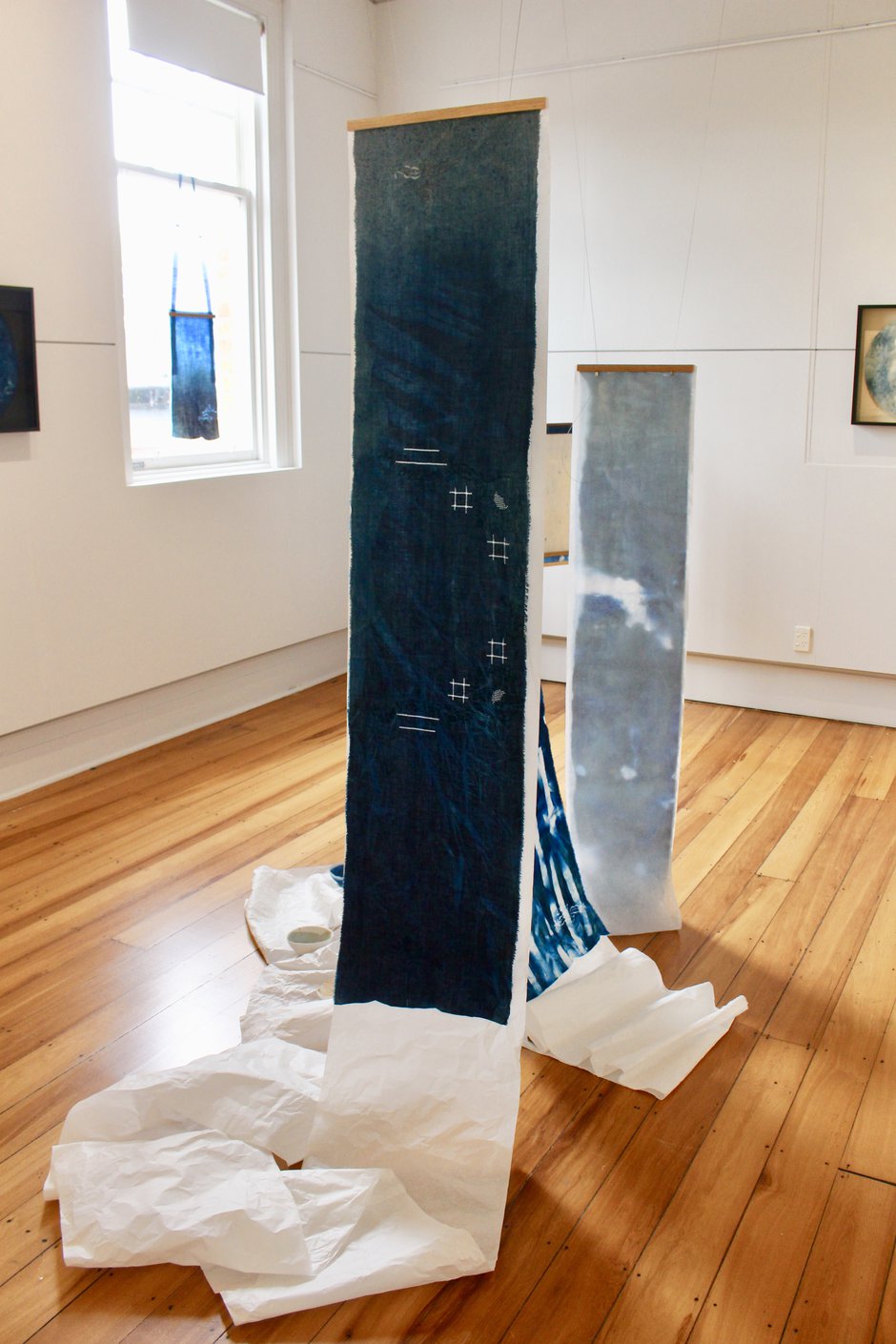
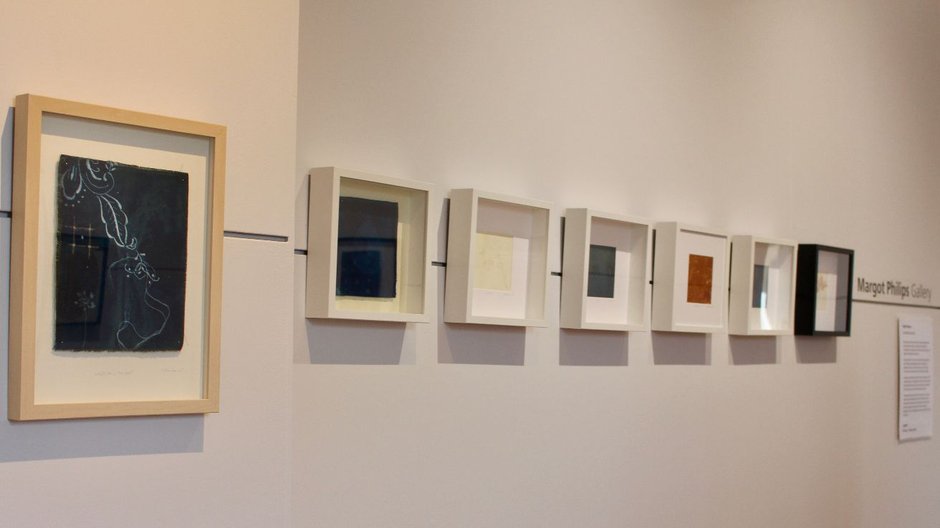
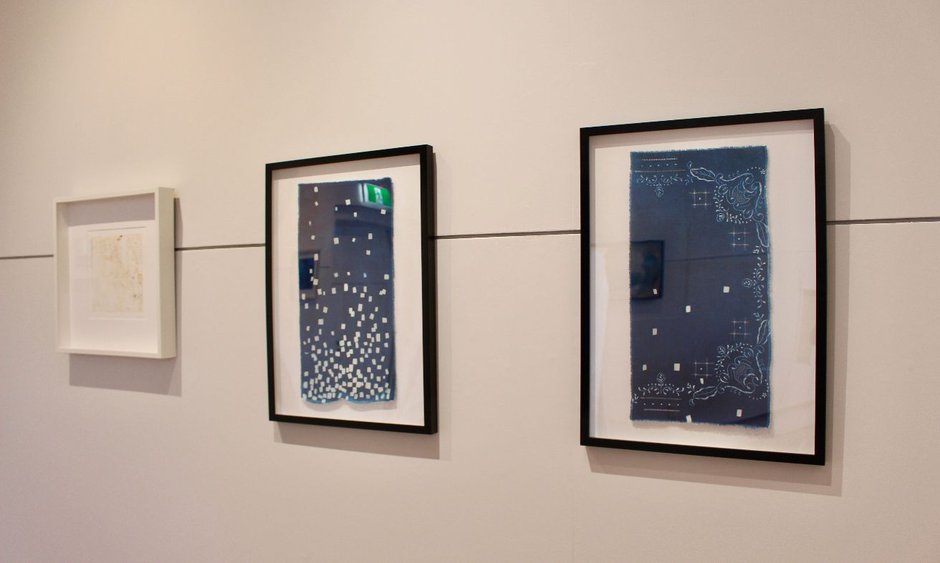
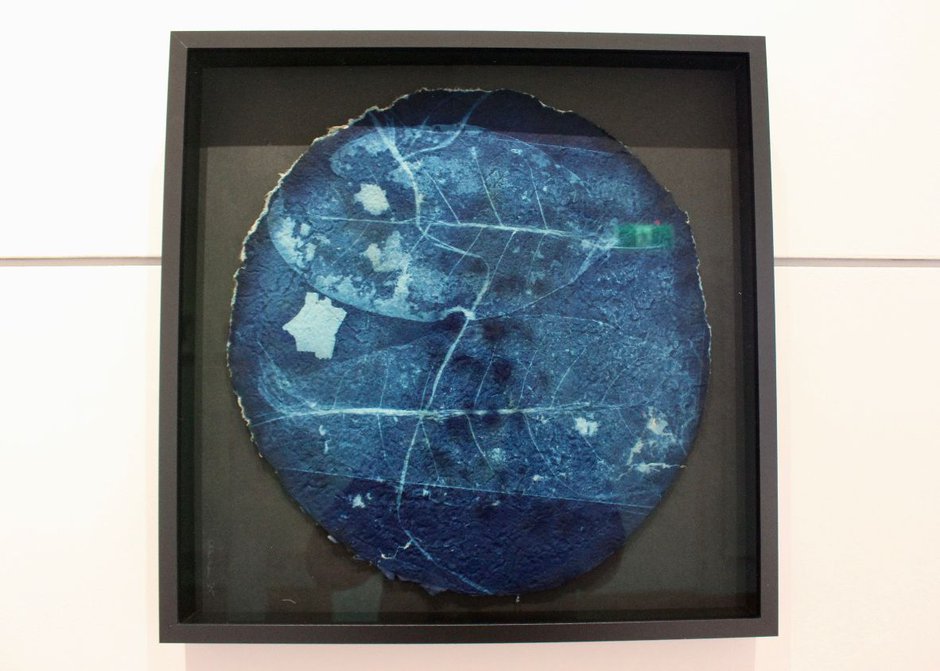
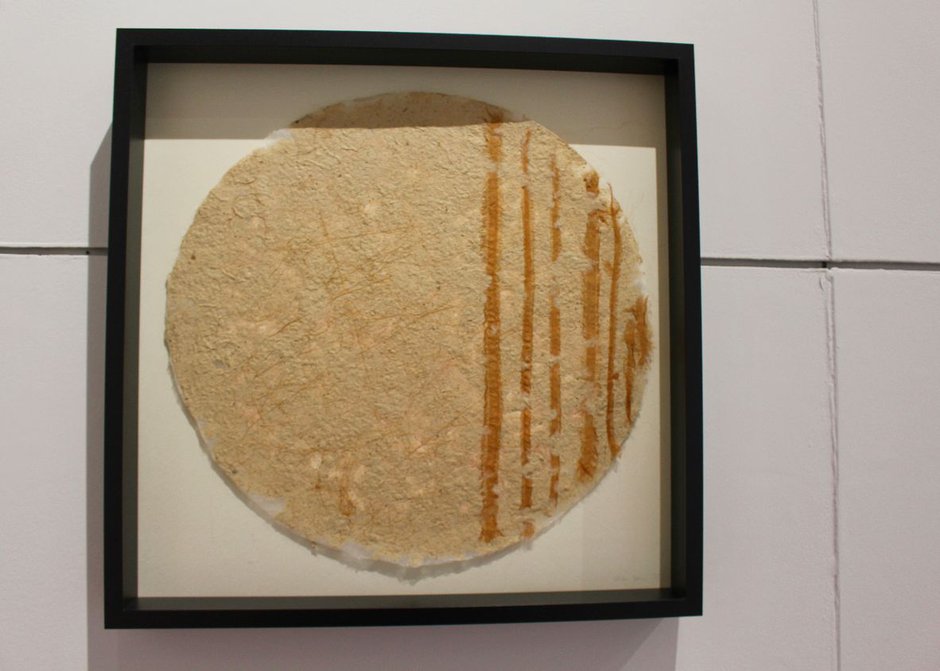
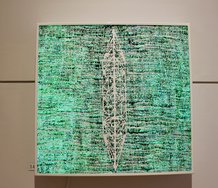
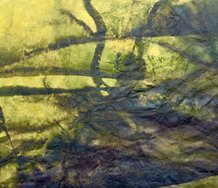
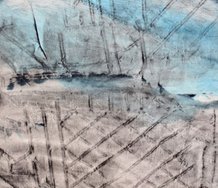
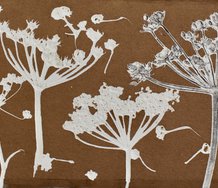
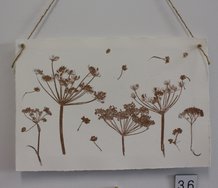
Sybille, who has established herself as an expert in the traditional Japanese printing technique of Mokuhanga, shows 25 new artworks in the Hamilton exhibition, many of which are influenced by her recent stay at the Tiapapata Art Center in Samoa. The impact of Samoan design and Samoan paper creation is particularly discernible in the Unstitching the Past series (environmental cyanoprints) and the Material study circle. Some of Sybille’s works are fusions of different Pacific printmaking traditions (Samoan, Japanese, Aotearoan) such as the work Skin IV.
The work consists of
processed bast of local Broussonetia Papyrifera tree, known as ‘kozo’ in Japan and U’a in Samoa, vintage cyanotype printed silk, recovered from Skin II, and Japanese kozo paper. Bast processed under the guidance of Rebeka Ainea and Makulata Tamala.
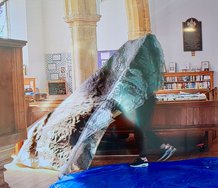
Skin IV was created in collaboration with Samoan artists and elders at the Tiapapata Art Center in Apia. The cross cultural collaboration and knowledge transfer and, more importantly, the mutual spiritual dimensions of collaborative art making can be appreciated in the art works themselves and also through their evocative descriptions. Of the 25 works on display, each of them has a similarly fascinating story of creation. Says Sybille:
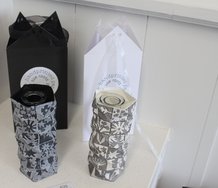
Like the vessels in To Have and to Hold, each work speaks of care, sharing, and safeguarding what is vulnerable and ephemeral: traces of commonness, echoes of friendship.
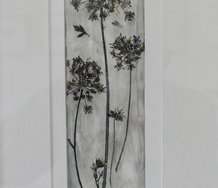
As in her previous printmaking, Sybille includes found materials and natural processes to create the works. A large number of prints are cyanotypes, an ancient art form at the intersection of printing and photography in which a camera-less technique creates monochromatic prints in Prussian blue and other hues of blue. A surface is prepared with a chemical solution and objects placed on it. Then sunlight and a wash of water develop the blue colour background, exposing the silhouettes of the objects. In the 19th century the technique was also used in engineering and architectural design as well as in botanical studies, hence the English word ‘blueprint’. As Sybille submits: ‘Cyanotype, portable and responsive to time and place, suits a restless practice.’
In a previous review of Sybille’s prints, I pointed to echoes of artistic discourses from the German-speaking world, particularly to 20th century philosopher Ernst Bloch, who spoke of the scientific and politico-ecological ‘co-productivity of a hypothetical natural subject’ which would give rise to a future without the exploitation of nature. In the context of Sybille’s recent show, I see traces of a related, older tradition that sought to overcome the separation of nature and art, but also of nature and society: early German Romanticism. It was the philosopher, poet, and mystic Novalis who emphasised design, beauty, and co-evolution in both nature and art and saw a close link between them. These ideas are made manifest in Sybille’s art.
As Novalis says:
There is an artistic instinct (or tendency) in nature, therefore, it would make no sense to categorically distinguish between nature and art.
Novalis also reflected on the intricate relationship of the artist as observer, and the art observer as artist. Novalis’ psychology and ethics of artistic care is visible in all of Sybille’s experimental nature art. In his Bruchstücke philosophischer Enzyklopädistik (‘Fragments of philosophical encyclopedism’) Novalis reminds both artists and scientists:
A very special love and a sense of childlike wonder, along with the clearest intellect and the calmest mind, are essential to the study of nature. […] Experimenting requires a natural genius, that is, a remarkable ability to grasp the essence of nature and to act in its spirit. The true observer is an artist; (s)/he senses what is significant and knows how to discern the important aspects from the strange, fleeting mixture of phenomena. 1.
With the opening of the new Waikato Regional Theatre, the South end of Hamilton’s Victoria Street hosting the Art Museum, the Regional and Meteor Theatres, the Waikato Society of Arts’ Art Post and local galleries like Laree Payne Gallery, has properly emerged as a cultural precinct. Worth coming to Hamilton for. If you do, don’t miss Flight Pattern.
Norman Franke
1. Quoted here after Kamnitzer, https://www.projekt-gutenberg.org/novalis/fragmen1/chap004.html
Translation N.P.F.
 Advertising in this column
 Two Rooms presents a program of residencies and projects

This Discussion has 0 comments.
Comment
Participate
Register to Participate.
Sign in
Sign in to an existing account.