


John Hurrell – 3 October, 2018
Music and te reo are crucial components. The title seems to refer to post-structuralist theory and language speaking through the subject as if they were a conduit, a mere channel. The unaccompanied sung lyrics, a Māori translation of Clyde Otis's This Bitter Earth, that Dinah Washington sings in Burnett's film, are presented via two male voices from opposite corners of the gallery, separated and then in unison.
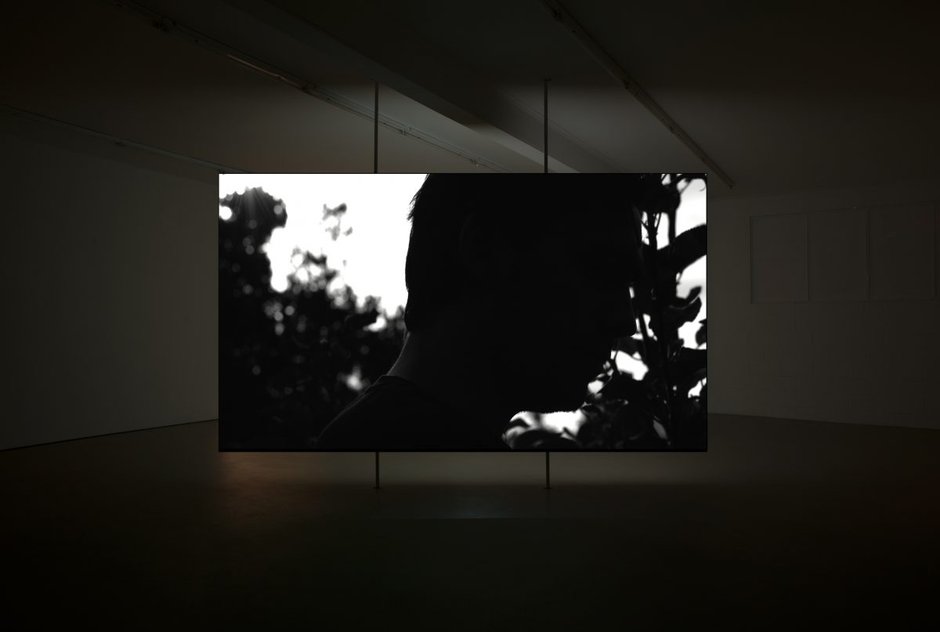
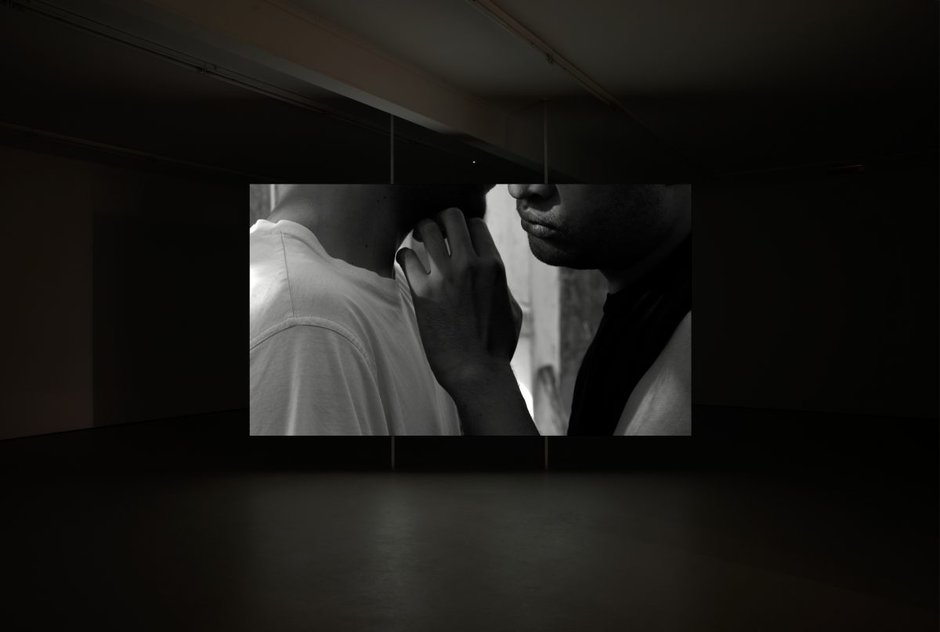
Continuing on from last year’s With the sun aglow, I have my pensive moods, Shannon Te Ao explores further the resonances of key imagery in Charles Burnett’s 1977 film Killer of Sheep, using again the gifted Iain Frengley as cinematographer. Instead of two women dancing, this time it is two men embracing—two films shown on both sides of the large freestanding screen: one scene inside a light-filled porch in the morning; the other outside amongst plants, at dusk.
Music and te reo are crucial components. The title seems to refer to post-structuralist theory and language speaking through the subject as if they were a conduit, a mere channel. The unaccompanied sung lyrics, a Māori translation of Clyde Otis’s This Bitter Earth, that Dinah Washington sings in Burnett’s film, are presented via two male voices from opposite corners of the gallery, separated and then in unison.
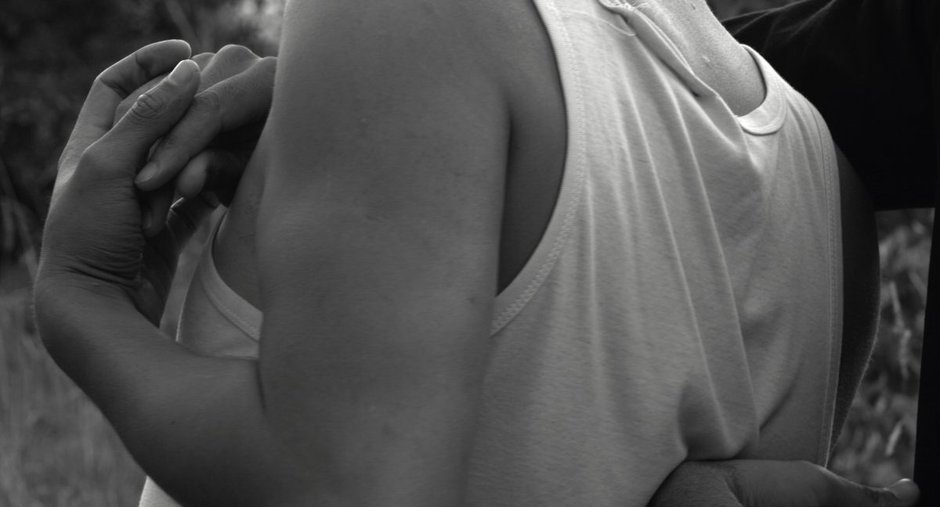
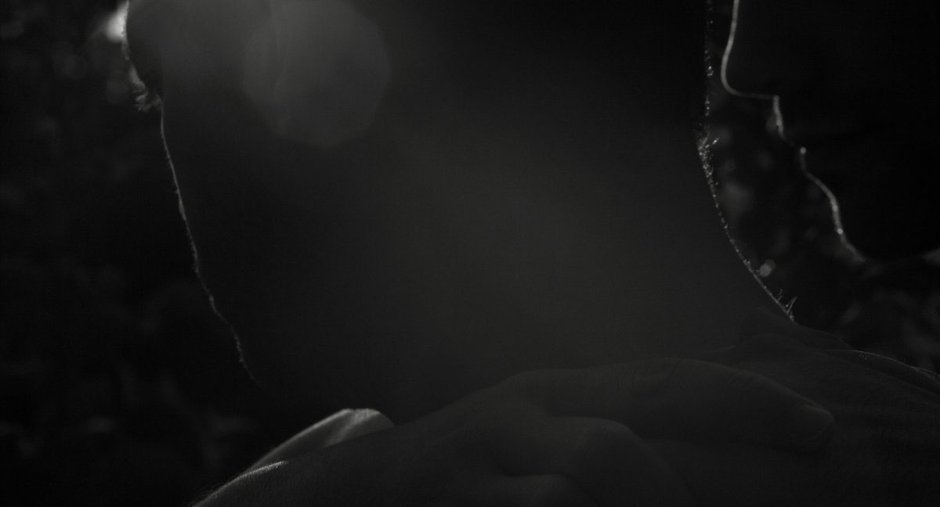
The interaction between the two men is about tenderness and grief-consolation during a time of great stress. There is a flickering homoerotic aspect but it is played down; it is loving but not carnal. The men seem to be family members or old friends, and are beautifully filmed—particularly in the darker outdoors section which has a lot of silhouettes and ambiguous loss of detail within the murky shapes. The cinematography is Frengley at his most brilliant, playing on viewer confusion, interpretation and analysis—so that what they are looking at is revealed slowly and not immediately. Nothing is obvious.
Lack of light, darkness, is a dominant trope, as are multiple meanings of ‘earth’—at least in the original English version of the song. The loss or cause of grief that permeates the images (and sound) can be a death, a temporary parting or the end of a relationship, or the disappearance of a language (as this superb article argues)—although this might be too abstract, going against the intensity of the mood and the bodily intimacy—or land.
The two men are slightly swaying as if almost dancing. Their pairing is about support, providing strength and moral back-up. Resilience to face an emotional crisis that to us remains unknown.
John Hurrell
 Advertising in this column
 Two Rooms presents a program of residencies and projects


This Discussion has 0 comments.
Comment
Participate
Register to Participate.
Sign in
Sign in to an existing account.