


John Hurrell – 7 June, 2021
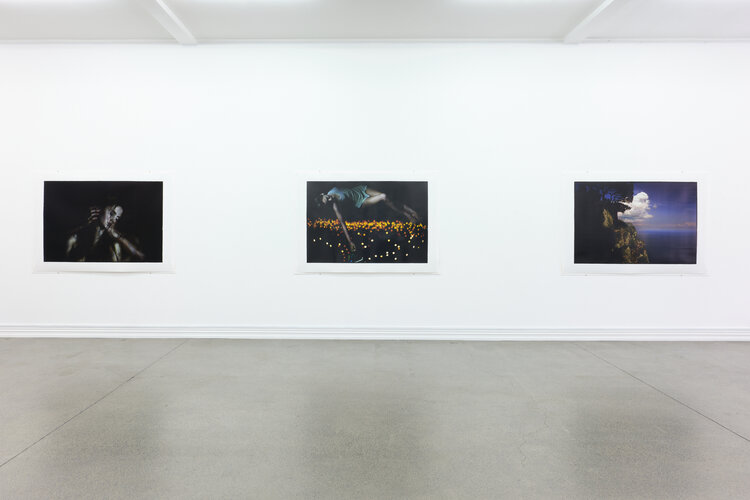
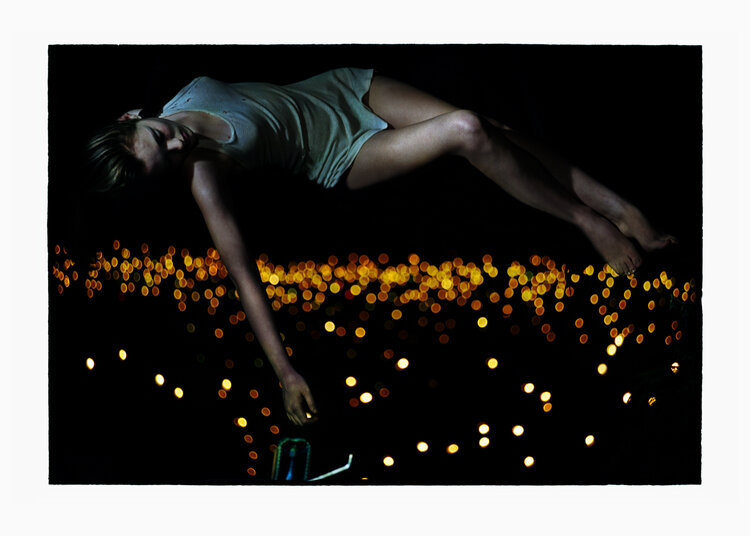
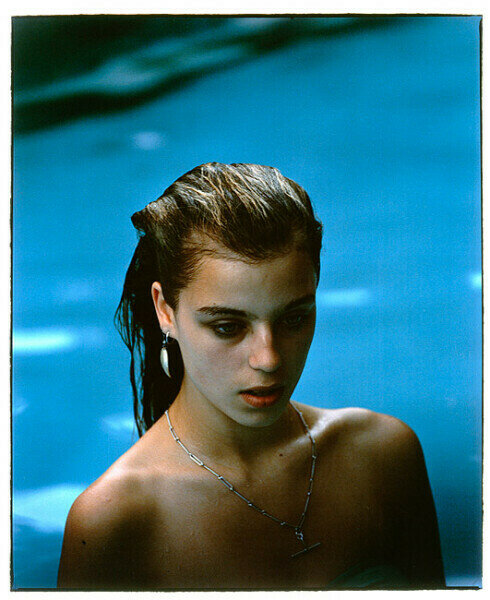
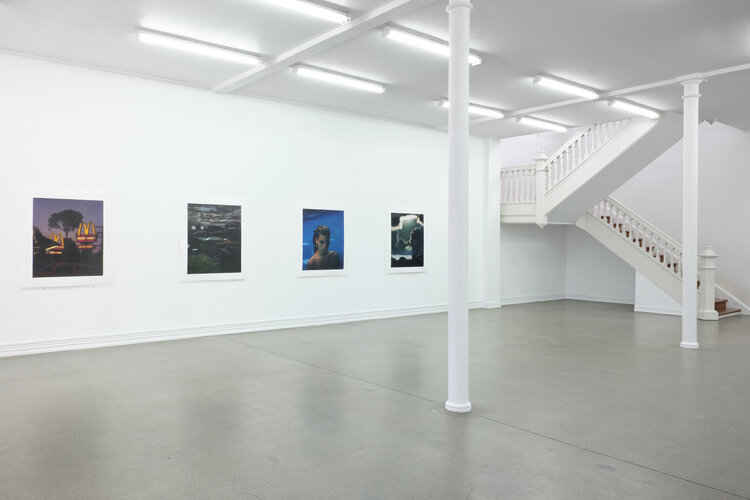
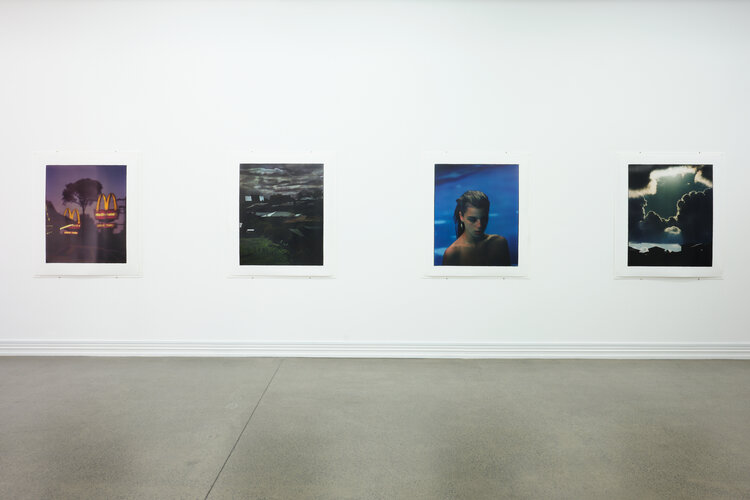
Night-time images with semi-clad models are obviously important too. They use carefully positioned electrical light on smooth young bodies, twinkling jewellery, glowing shirts and absorbent black hair, but the highlighting of skin, hair, clothing and ornaments is more stable—provided the adolescent subjects remain still. The works often use a superb orchestration of flaring patches of light on flesh within a moody sea of darkness. The drama of the lighting is accentuated by the photographs' scale which you respond to viscerally.
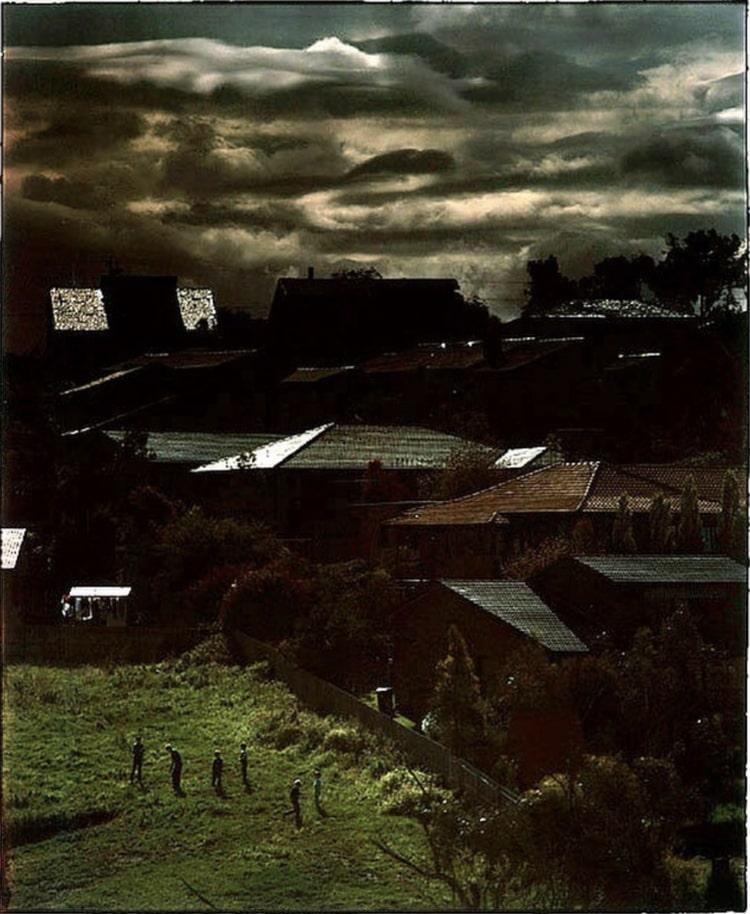
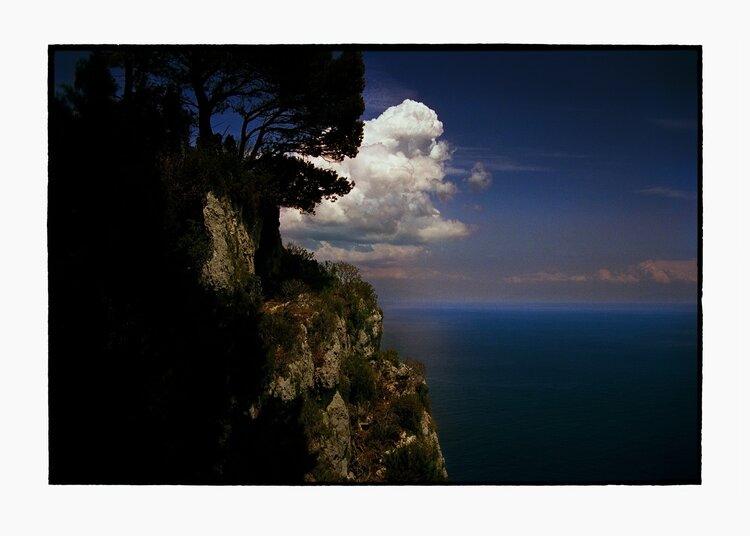
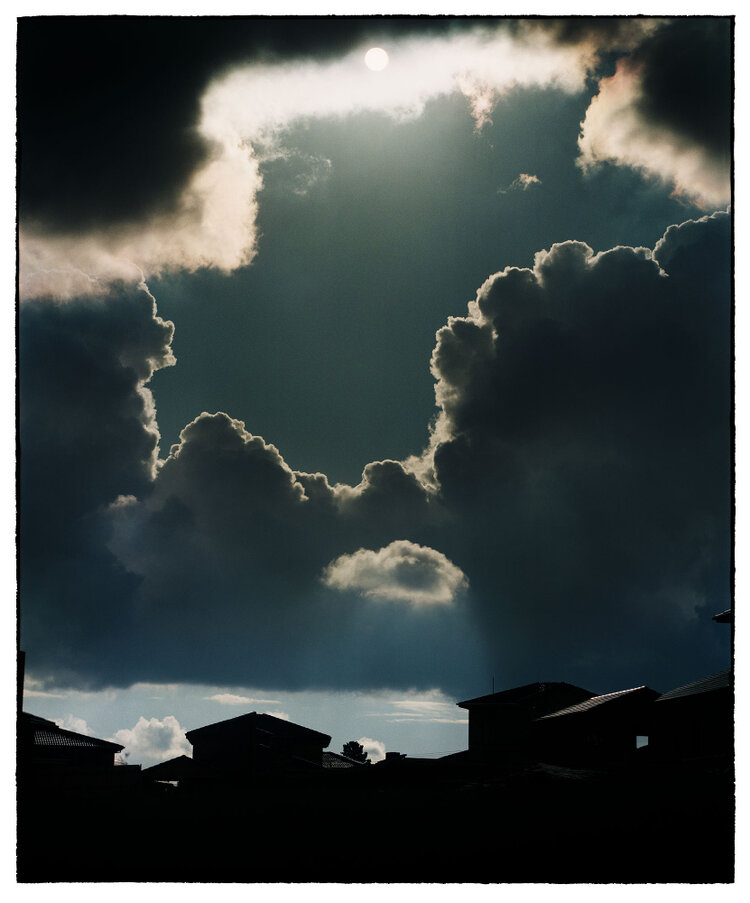
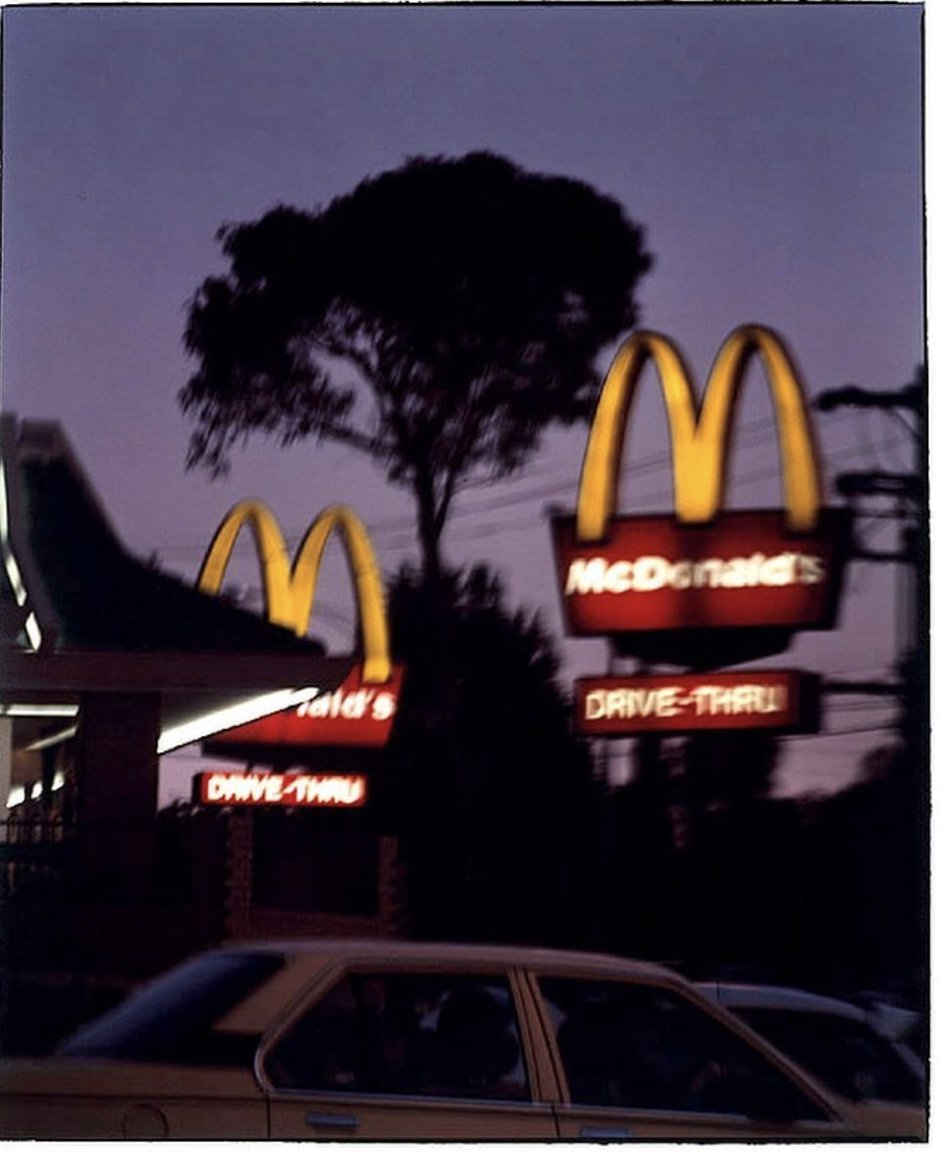
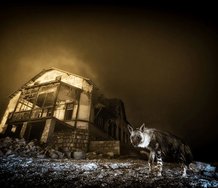
In this brief survey showcasing Australian photographer Bill Henson‘s considerable career, the common salient factor is light and how it affects (for example) curved or flat surfaces, ragged edges, gaseous substances, glittering corrugated iron and subtly pulsing rhythmic vegetative textures. Much of the illumination, such as sunlight peeking through clouds or hitting multiple rooftops or cliff-faces in a landscape, is transient. Its temporary nature (when outdoor elements are on the move) is its main feature. Split seconds are frozen to emphasize a sense of heightened emotion while the vista is observed from a Godlike height.
Night-time images with semi-clad models are obviously important too. They use carefully positioned electrical light on smooth young bodies, twinkling jewellery, glowing shirts and absorbent black hair, but the highlighting of skin, hair, clothing and ornaments is more stable—provided the adolescent subjects remain still. The works often use a superb orchestration of flaring patches of light on flesh within a moody sea of darkness. The drama of the lighting is accentuated by the photographs’ scale which you respond to viscerally. No pocket-sized Polaroids or snaps here. These are the size of paintings. They have impact.
The landscapes and cloud-vistas have a richness in detail that in the portraits (one is of an embracing naked couple) is replaced in the viewer’s mind by an imaginative narrative about human interaction and motivation. Their ambience is that of psychological intensity and community tensions, not of naturalistic observation—though the latter is still a crucial ingredient.
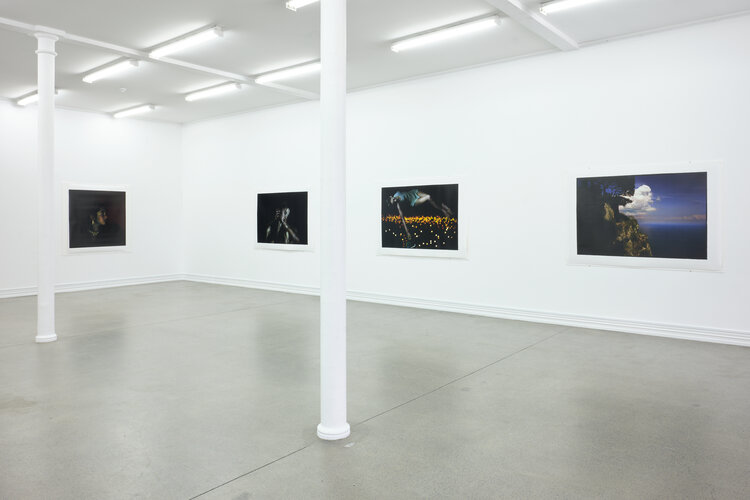
Many of these eight images are haunting, lingering due to implied stories or a fleeting illumination of landscape or sky. Each one is constructed with composition and light-positioning carefully co-ordinated.
By the way, a ninth Henson, of a night-time orgy going on in a wrecked-car yard, can also be currently admired in the superb exhibition, All that was solid melts, curated by Juliana Engberg at Auckland Art Gallery Toi o Tamaki. Here though the light is different, a more even twilight, with the image broader in its pictorial scope than most. In this context it is surrounded in the gallery by eighteenth century images by Piranesi of spectators admiring overgrown ancient ruins.
The dazzling collection of Henson photographs at Starkwhite should not be missed.
John Hurrell
 Two Rooms presents a program of residencies and projects
 Advertising in this column
This Discussion has 0 comments.
Comment
Participate
Register to Participate.
Sign in
Sign in to an existing account.