
Peter Dornauf – 17 March, 2026
One of the issues that is raised here is the question of the distinction between art and propaganda. The other issue following on from this is the current urge and necessity to be topical, up with the trends, fueled by a desperate need to feel relevant, particularly prevalent in this country. Gotta be up with the play.
Art awards are curious beasts. They throw up all kinds of interesting anomalies that bring more sharply into focus the nature of this strange and funny business we call art.
First up is who gets kissed and who gets missed.
There were 350 entries for the New Zealand Painting and Printmaking Award this year and of those only 65 were selected. That is a huge attrition rate. But, of course, that’s the nature of this animal. There is only so much room in the gallery space. One does, however, feel sorry for the also-rans. They didn’t even get a run. They got the rejection note. Thank you for applying but … I have a fundamental yearning to know what has been rebuffed and failed to meet the benchmark. Even more so, I’d like to know why. We will never know, of course. A salon de refuses would make a fascinating, even enlightening experience. Some would say it’s all subjective.
So, nearly 300 art works didn’t make the cut. Most art that gets put up for selection these days is of a highly crafted quality. What therefore is it that goes on when it comes to the selection process? My guess, and it’s not hard to guess these things, is that some of it has to do with the nature of the subject the artist chooses to engage with.
A quick look through the successful entrants reveals that the majority of them have elected to focus on hot-button topics of the day. Almost half of them dealt with environmental matters in a variety of ways - conservation, ecological concerns, ecosystems, flora and fauna, climate collapse and crisis, the bush line, atmospheric outcry, the beauties and patterns of the natural world, protection of the ocean, majestic iconic trees, coastline and wildlife, fragile balance of things; they were all there.
Another smaller group took up the feminist cause - the patriarchal system suffocating the lives of women. Another grouping brought cultural issues to the fore - the ubiquitous colonization trope, the turmoil of apposing cultural movements, whenua and moana, cosmic genealogy, Maaori legends and the like.
There were also reflections on various spiritual and emotional elements to do with time, memory, present, past and loss. The only divergence from this controlling matrix were a couple that dealt with compositional matters and elements to do with brushstroke. It would be instructive to know what the other 285 had as their subject material.
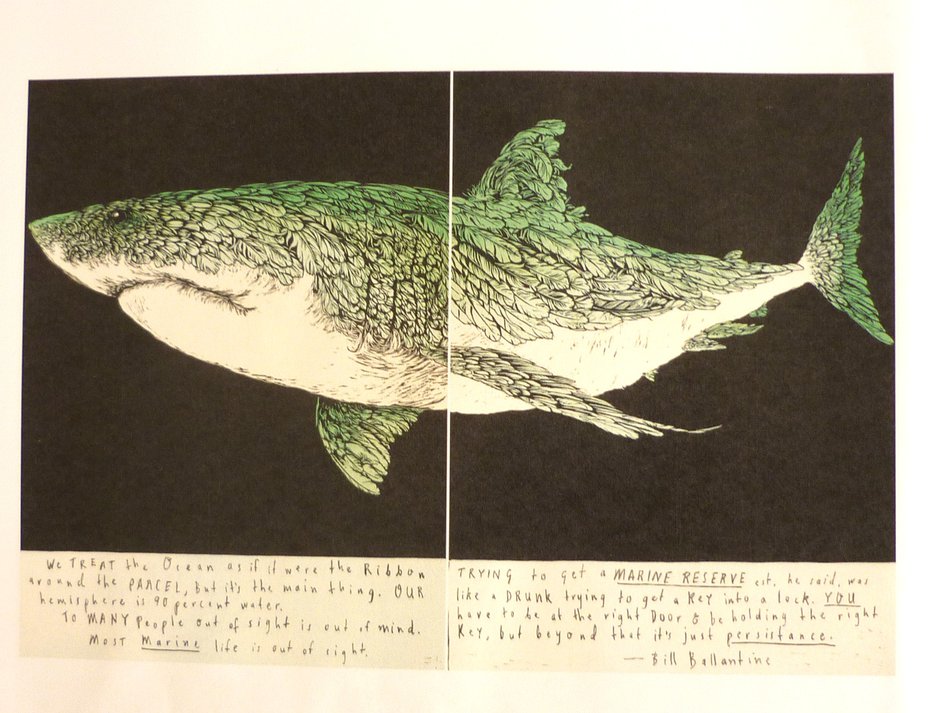
When it came to the outright winners, there were absolutely no surprises here. Colonization, conservation and feminism were winners on the day. And it did appear that in separating the wheat from her chaff, it was those who shouted the loudest that got the gong. So, the Ruth Davey Merit Award in printmaking went to Ben Reid and his work with the high-pitched and blaring title, Absolute Lunacy, which was all about protesting the inequities associated with marine protection in contrast to land conservation.
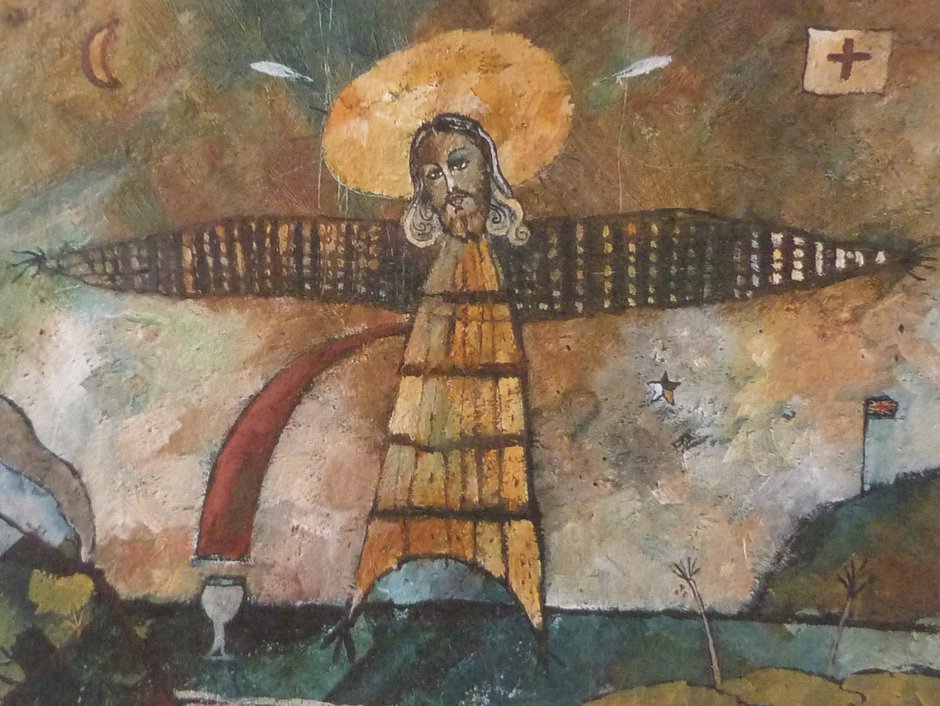
And just in case you didn’t get the message, there was a statement printed out at the bottom of the work which spelt it out for you. The winner of the painting section went to Brett a’ Court with an oil on wool piece, Kahu-Manu Aute, with its depiction of a Maori kite with head of Jesus plonked on the top of it. No difficulty here working out the blunt political missive.
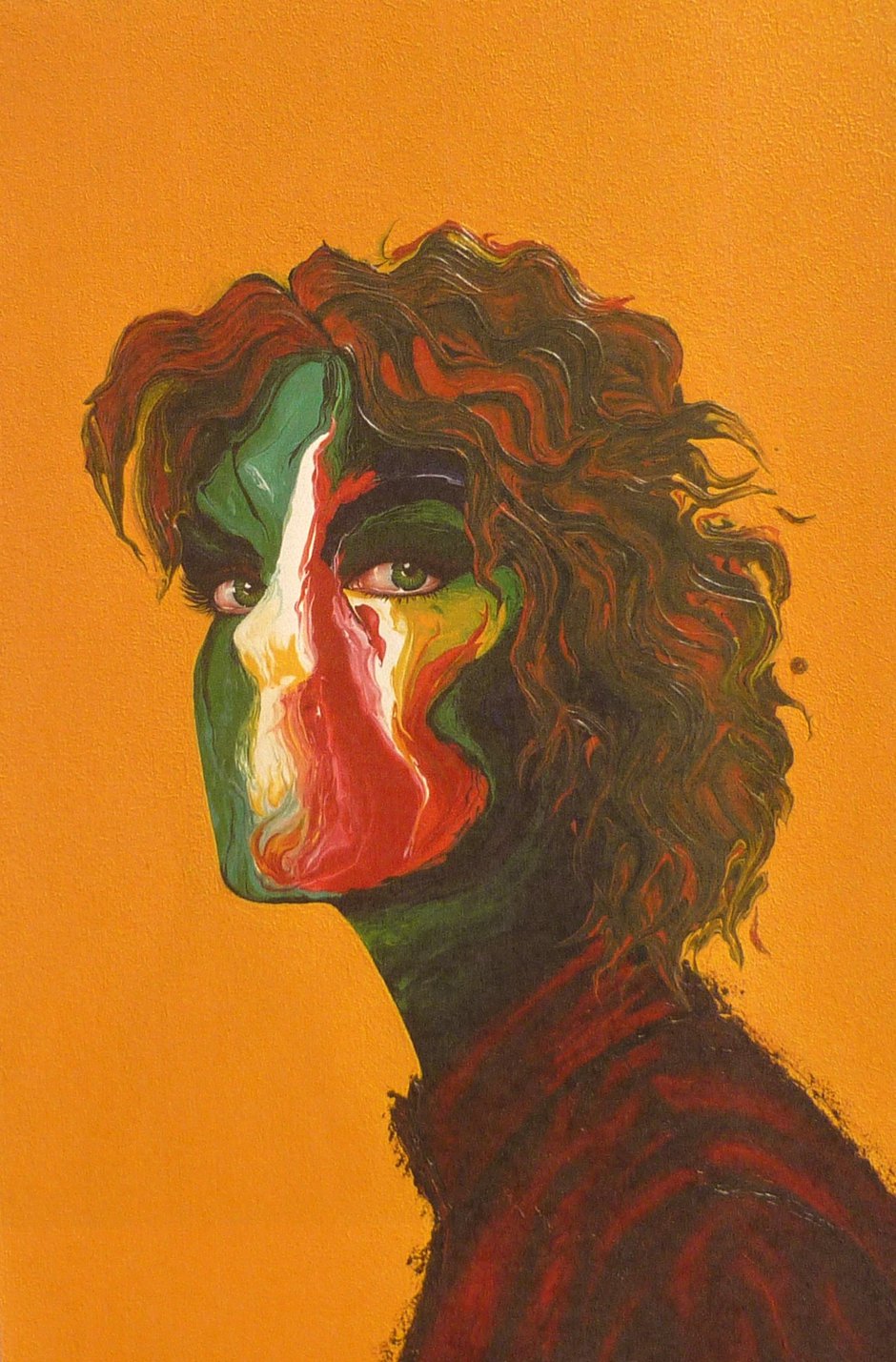
Merit in the same category saw the feminist theme reworked by Roya Feyz. Her, Nika - Silent Voices Series, pulled no punches. Paint poured like a lava flow of blood down the face of the woman depicted.
One of the issues that is raised here is the question of the distinction between art and propaganda. Today, as voices become more strident, one category seems to be bleeding into the other. The latter promotes ideology without ambiguity, banging the drum as forcefully as possible, while the former is seen as a practice without an agenda, simply there to promote reflection, often layered and complex in its delivery as it explores human emotion and ideas.
The other issue following on from this is the current urge and necessity to be topical, up with the trends, fueled by a desperate need to feel relevant, particularly prevalent in this country. Gotta be up with the play. Art, of course, is in competition with social media, and it is, in reality, a losing game. One can sympathize with artists in the twenty-first century trying to be heard above the clamour of media networks out there today.
And then there is the issue about the influence of art. Does it actually make any difference? Politically, socially, morally? The answer most would give is that it doesn’t make a blind bit of difference, apart from preaching to the converted. So, what are artists doing when they start banging the drum? Jerking off? Making a public display their own righteousness? Locked into some romantic ideal and dream of saving the world? It’s a tricky business.
Let me take a moment then to explore one or two of the less polemical works in the exhibition.
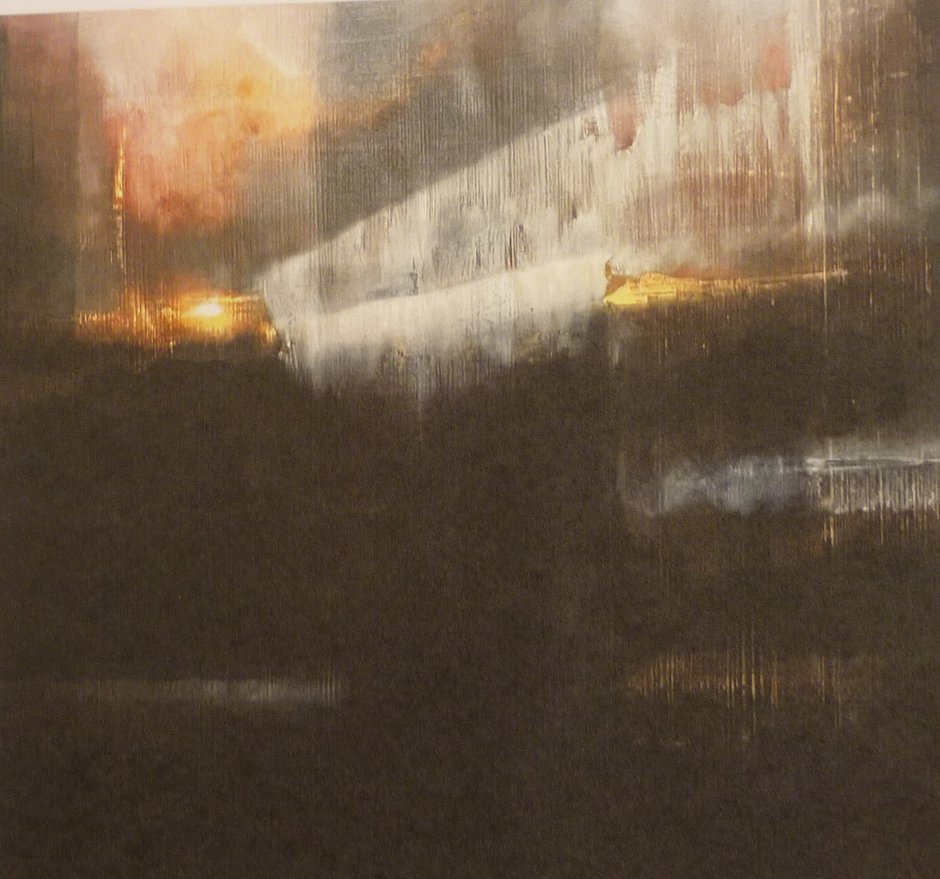
First up, the beautiful and evocative treatment of a moody landscape by Hana Carpenter, (Dispersing Line) who displays a sensitive handling and control of the paint surface to create a haunting picture of land and sky with minimal chromatic means. Garry Currin does something of the same with Invocation that is part landscape, part abstract, invoking elements of Mark Rothko.
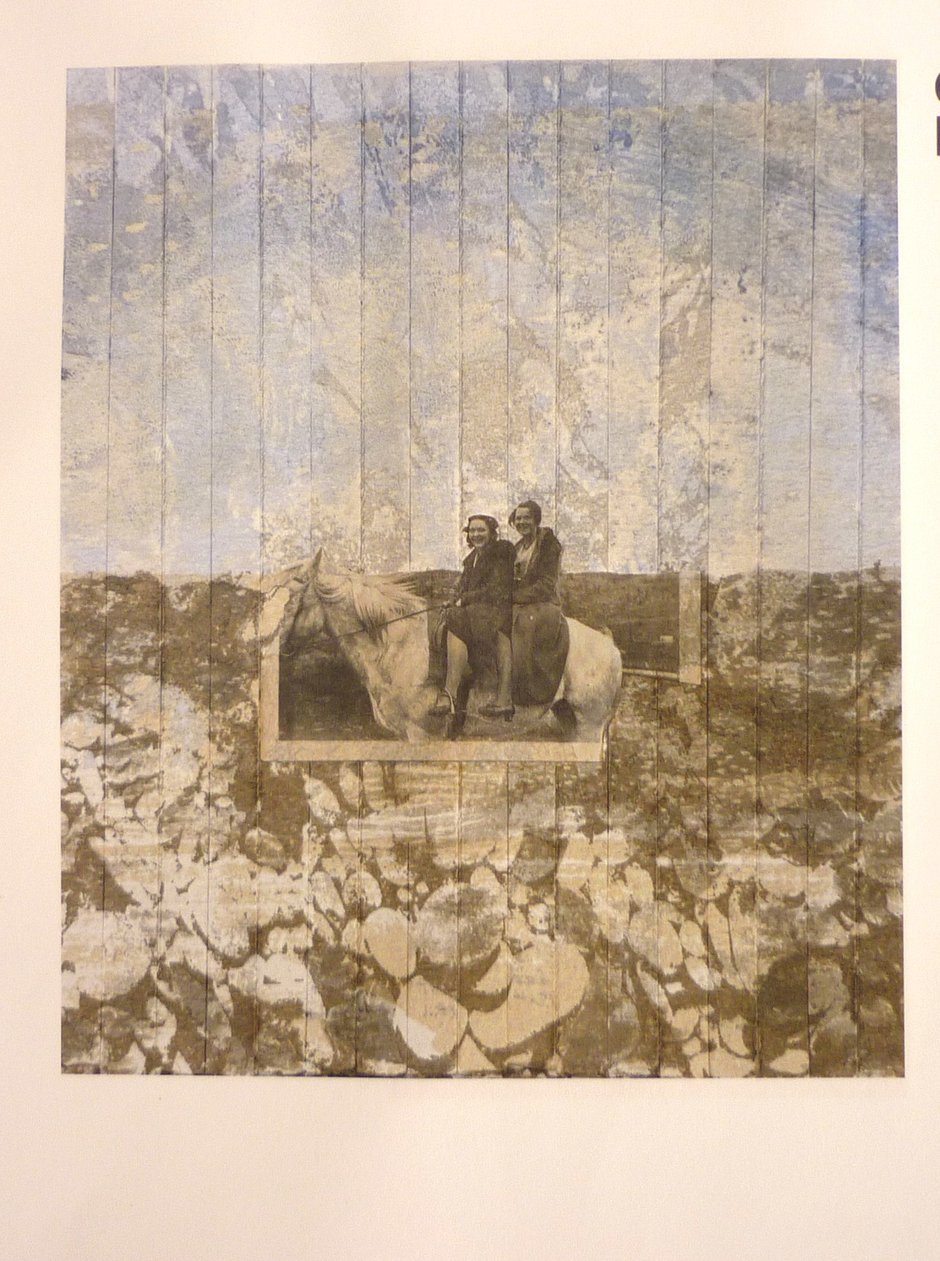
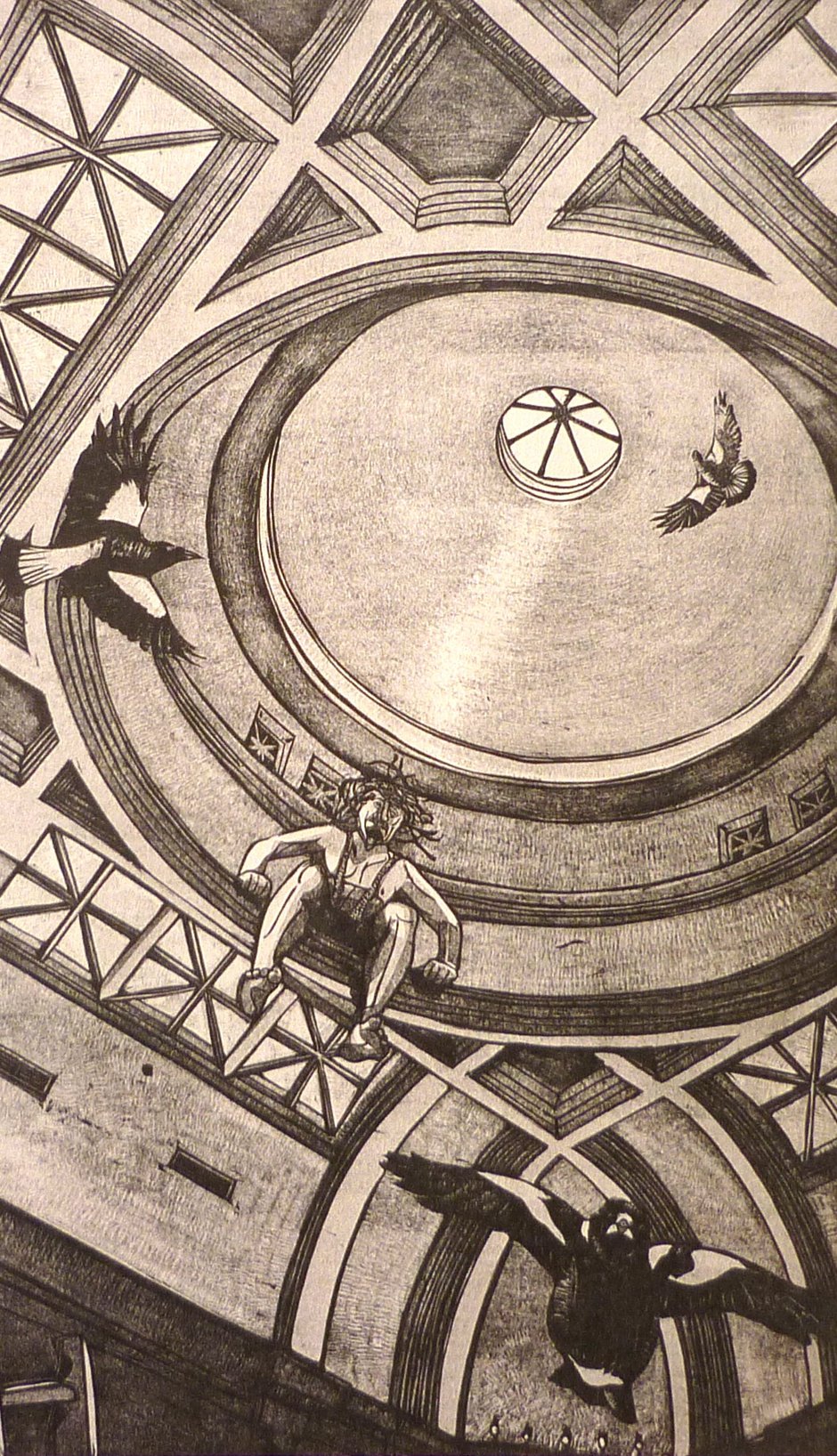
Lost Album #18, by Toni Mosley juggles elements of old photographs with collaged effects to rescue memories, while Graham Hall, the outright winner of the print section, channels McCahon, who channeled Uncle Frank, in his work, The 14th Station of the Cross: The Ascension with floating bodies inside the domed structure of the Sarjeant Gallery.
The show is over, but for all that is said and done, these events and this one in particular, which has a long history, contributes boldly to the ongoing life of the arts in a world that often looks the other way.
Peter Dornauf
 Two Rooms presents a program of residencies and projects
 Advertising in this column

This Discussion has 0 comments.
Comment
Participate
Register to Participate.
Sign in
Sign in to an existing account.